
Businesses rely on a wide range of tools, equipment, supplies, and products to keep work moving every day — but not everything a company owns plays the same role. Some items are long-term investments that support operations for years, while others move quickly through the supply chain to meet customer demand. That’s why understanding the difference between asset management and inventory management is so important.
Although the two terms are often mixed up, they each serve a distinct purpose. Knowing how they differ (and how they work together) helps organizations reduce costs, strengthen reporting, improve compliance, and keep daily operations running smoothly.
–What Is Asset Management?
Asset management refers to the end-to-end process of tracking, maintaining, and optimizing the value and performance of long-term resources a company owns. These could be fixed assets, physical assets, or even intellectual property. An effective asset management system focuses on lifecycle visibility—from procurement through maintenance, depreciation tracking, and eventual disposal.
What Counts as an Asset
Assets typically include items a company owns and intends to use long-term:
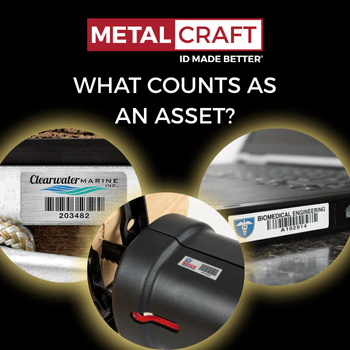
- Machinery, vehicles, and manufacturing equipment
- IT hardware such as servers, laptops, and scanners
- Office furniture and fixtures
- Buildings or leased spaces
- Tools, molds, or reusable containers
- Digital assets: software licenses or IP
- High-value items that require asset tracking systems to monitor condition and performance
These items are not sold to customers; instead, they support business operations and help generate revenue over multiple years.
Core Focus of Asset Management
Asset management focuses on maximizing the asset value, performance, and lifespan of fixed assets. This includes:
- Monitoring each asset’s location
- Tracking maintenance schedules and usage
- Managing asset utilization
- Using a tracking system to reduce human error
- Ensuring legal and regulatory requirements are met
- Using asset management software for depreciation monitoring
- Improving asset performance for operational efficiency
Ultimately, asset management tracks how effectively company assets support the organization’s long-term goals.
What Is Inventory Management?
Inventory management is the process of tracking goods a company sells, consumes, or uses within short periods to meet demand. These items are considered current assets, not long-term investments. A strong inventory management system ensures organizations always have the right stock levels to avoid excess inventory, obsolete inventory, or stockouts that harm customer satisfaction.
What Counts as Inventory

Inventory generally includes:
- Raw materials used in production
- Work-in-progress items
- Finished goods the company intends to sell
- Spare parts and consumables
- Packaging materials
- Products in transit or held in warehouses
Unlike fixed assets, inventory assets serve immediate operational purposes and frequently move through the supply chain.
Core Focus of Inventory Management
Inventory management focuses on:
- Tracking stock levels in real time
- Managing inventory turnover
- Optimizing inventory control features
- Ensuring availability to satisfy customer demand
- Demand forecasting and replenishment
- Avoiding poor inventory management issues like overstocking
- Minimizing carrying costs and improving cash flow
Accurate inventory management directly affects revenue, cost savings, and supply chain performance.
Key Differences Between Asset and Inventory Management
Although both rely on barcode or RFID asset tracking systems, their objectives differ significantly. Here’s a clear breakdown:
Comparison Chart
| Category | Asset Management | Inventory Management |
|---|---|---|
| Purpose & Duration | Manages long-term fixed assets the business uses over years. | Manages short-term current assets the company sells or consumes. |
| Tracking Metrics | Asset value, utilization, depreciation, maintenance, asset performance. | Stock levels, turnover, demand forecasting, replenishment cycles. |
| Tools Used | Asset management systems, asset tracking software, barcode tags, RFID tags, maintenance tools. | Inventory management systems, inventory tracking, barcode tags, RFID tags, WMS, ERP platforms. |
| Ownership & Responsibility | Owned long-term by the company; stewardship by operations, IT, finance, or maintenance teams. | Purchased and sold/used regularly; owned and controlled by supply chain and warehouse teams. |
| Data Focus | Lifecycle health, asset depreciation, asset’s location, compliance status. | Real-time data on quantity, location, customer demand, and supply chain movement. |
Why Are the Two Confused?
Businesses often blur the lines between asset and inventory management because:
- Both rely on identifiers like asset tracking, barcodes, or RFID.
- Both feed into the same or compatible management systems.
- Both track physical items for operational visibility.
- Both rely on centralized databases for reporting.
However, the key differences in purpose, duration, and lifecycle management are significant. Assets stay with the organization; inventory flows through it.
How the Two Systems Work Together
The most efficient organizations integrate assets and inventory into a unified tracking environment. This synergy supports better supply chain management, stronger compliance, and smoother audits.
Here’s how:
1. Asset Tags That Integrate Into Inventory Systems
High-value production tools, IT equipment, and reusable materials can be tagged using the same RFID or barcode formats leveraged within inventory management processes. This provides real-time visibility into both managing assets and managing inventory.
2. Shared Data Improves Audits and Compliance
When both systems share a unified database:
- Audits become faster with fewer human errors
- Depreciation tracking and financial reporting improve
- Teams can calculate asset depreciation automatically
- Compliance issues become easier to track and manage
3. RFID and Barcodes Bridge Both Functions
RFID improves both:
- Asset tracking collects usage, movement, and maintenance data
- Inventory tracking captures stock movement and reorder triggers
Together, they reduce redundancy and enable operational efficiency across departments.
Benefits of Differentiating the Two
Clear separation of asset and inventory management provides several high-value benefits:
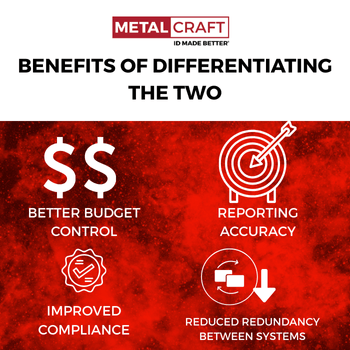
1. Better Budget Control and Forecasting
By distinguishing between fixed assets and current assets, companies can:
- Improve capital vs operational budgeting
- Project future purchases more accurately
- Reduce costs related to excess inventory or poor asset performance
2. Stronger Reporting Accuracy
Combining the right asset management system with accurate inventory management strengthens:
- Financial reporting
- Asset depreciation planning
- Audits and reconciliation
- Compliance documentation
3. Improved Maintenance and Compliance
Knowing which items are assets versus inventory ensures:
- Maintenance is scheduled on the right equipment
- Asset management leverages real-time data for preventive care
- Legal or regulatory compliance is easier to maintain
4. Reduced Redundancy Between Systems
Yes—inventory is a current asset, but it differs from fixed assets in that inventory is sold or consumed quickly rather than used long-term.
By defining clear scopes, businesses avoid overlap between asset management software and inventory management software, improving efficiency and usability.
Implementing an Integrated Tracking Strategy
For companies ready to modernize operations and improve business visibility, here’s a simple roadmap:
1. Start With Asset Tagging for High-Value Items
Tag equipment, tools, vehicles, and IT hardware using durable labels. Use an asset tracking system or asset management program that supports:
- Real-time data
- Depreciation
- Maintenance history
- Asset utilization metrics
2. Expand Into Inventory Management for Consumables
Next, implement or optimize the right inventory management system to:
- Manage stock levels
- Prevent obsolete inventory
- Track raw materials and finished goods
- Meet demand without overstocking
3. Use One Unified Database or Compatible Systems
Integrating systems eliminates:
- Human error
- Duplicate data entry
- Reporting gaps
- Conflicts between asset management work and inventory management work
Combined systems support better supply chain management, stronger inventory control, and improved visibility into all operational resources.
Frequently Asked Questions
Is inventory considered an asset?
Are tools assets or inventory?
Reusable tools typically qualify as assets. Consumable items or spare parts are inventory.
Can one system manage both assets and inventory?
A single platform can support both, but many businesses prefer specialized management systems integrated through APIs or shared databases.
Why does depreciation apply to assets but not inventory?
Inventory is sold or used rapidly, while assets depreciate over time. Businesses must calculate asset depreciation for tax and financial reporting.
What causes poor inventory management?
Lack of visibility, human error, excess inventory, disconnected software, or failure to track stock levels all contribute.
The Breakdown
When you look at asset management vs inventory management, the real difference comes down to what each one is meant to achieve.
Asset management focuses on the long-term resources a business relies on — protecting those investments, keeping them in good condition, and making sure they deliver the most value throughout their lifespan.
Inventory management, on the other hand, deals with the items that move quickly in and out of the business — tracking stock, improving turnover, and ensuring you always have what you need to meet customer demand.
Used together, the two systems give companies a complete view of their operational health, helping reduce costs, strengthen compliance, and support smarter decision-making across the board.
Explore our Asset Inventory Management Guide for expert setup tips and tools to streamline both systems.
About the Author: Marianne Alvarado

Mobile Phone: 641-529-9492
Office Phone: 641-423-9460
Email: [email protected]
Office: 3360 9th St. SW, Mason City, IA 50401