
What Is IT Asset Management?
IT asset management (ITAM) refers to the systematic process of tracking and managing the lifecycle of IT assets within an organization. These assets include both hardware assets like servers, laptops, and routers, and software assets such as software licenses, cloud assets, and intellectual property. The goal of asset management is to ensure that all IT assets are accounted for, maintained, and used effectively to maximize ROI and reduce unnecessary costs.
An effective asset management process covers every stage of the asset lifecycle, from procurement and deployment to maintenance, usage, and asset disposal. This structured approach provides a comprehensive asset inventory and helps in managing assets efficiently, minimizing security risks, and ensuring compliance with licensing and regulatory standards.
Best Practices for Managing IT Assets
Maintain an Accurate Asset Inventory
Maintaining a comprehensive asset inventory is the cornerstone of effective IT asset management. A current and accurate view of all IT assets—including asset status, location, usage, and ownership—is vital for managing hardware assets and software licenses, minimizing unnecessary costs, and improving asset usage.
Using asset management software with dynamic asset discovery techniques ensures real-time, automated tracking of new, updated, and removed assets, including cloud assets and mobile devices. These tools eliminate manual errors and keep your inventory reliable.
Centralizing asset information in a unified database improves transparency and eliminates ghost assets—those lost, stolen, or obsolete—which inflate maintenance costs and degrade asset performance.
Regular audits validate the inventory against physical and virtual assets, uncover discrepancies, and flag underused assets. Routine reviews also strengthen compliance, support data management, and help reduce security risks.
Combining automated discovery, centralized data, and frequent audits creates a complete, efficient, and compliant asset management process.
Track the Full Asset Lifecycle
Understanding and managing the full asset lifecycle is vital to effective IT asset management. Spanning procurement to disposal—including deployment, support, and retirement—each stage is critical to maintaining asset health, optimizing asset usage, and aligning with your asset management policy.
Procurement ensures each new asset meets operational and compliance needs. Proper deployment integrates assets seamlessly into your environment, while ongoing support and maintenance extend lifespan, minimize downtime, and reduce maintenance costs.
Eventually, asset disposal is required. Standardized disposal procedures help mitigate security risks, ensure compliance with environmental regulations, and safeguard intellectual property.
Lifecycle tracking with asset management software provides visibility into asset status and usage across all stages, enabling better management of hardware assets and software licenses. This structured asset management process reduces unnecessary costs and supports long-term planning.

Actively managing the IT asset lifecycle empowers organizations to enhance asset performance, control costs, and ensure alignment with service management and compliance goals.
Implement Strong Governance and Policies
Developing a well-defined asset management policy is fundamental to effective governance and one of the core IT asset management best practices. These policies establish clear rules for asset use, ownership, maintenance, and security, ensuring consistent handling of all IT assets throughout the organization.
A strong asset management policy should outline who is authorized to approve purchases, how assets are to be deployed and maintained, and the procedures for asset disposal. It should also address data security protocols to reduce security risks and protect intellectual property. Clearly assigning ownership and accountability ensures that each asset is properly managed throughout its lifecycle.
Establishing standardized policies helps enforce compliance with licensing agreements and regulatory requirements. It also supports proactive decision-making by creating transparency around asset responsibilities and expectations.
By formalizing governance through a detailed asset management policy, organizations can ensure consistency, mitigate risks, and align with broader service management objectives. This structured approach lays the groundwork for scalable, secure, and efficient asset management practices that adapt to evolving business and technological needs.
Standardize and Automate Processes
Standardizing your asset management process across departments reduces inconsistencies and ensures organization-wide adherence to defined procedures. Establishing uniform asset management practices promotes accountability, transparency, and smoother cross-functional collaboration. This consistency is critical in maintaining accurate asset records, enforcing your asset management policy, and optimizing the asset management lifecycle.
Automation takes these benefits even further. Leveraging asset management software enables automated asset discovery, monitoring, and reporting. These tools streamline repetitive tasks, reduce manual data entry errors, and increase the accuracy of asset status tracking. Real-time visibility into IT assets ensures proactive issue resolution, quicker audits, and better decision-making.
Software tools also improve the management of hardware assets and software licenses by ensuring they are consistently tracked and updated. Automated alerts for license renewals, asset status changes, or non-compliant configurations help reduce security risks and unnecessary costs.
Together, standardization and automation enhance operational efficiency, improve compliance, and support scalable, long-term IT asset management best practices. They create a stable foundation for integrating ITAM with broader ITSM initiatives such as incident, change, and configuration management.
Monitor Software Licenses and Compliance
Software licenses are a critical component of effective IT asset management. Proper tracking and monitoring of software licenses help ensure compliance with vendor agreements, prevent legal penalties, and reduce unnecessary costs. Software asset management (SAM) tools provide real-time visibility into license allocations, usage patterns, and renewal timelines.
These tools enable IT teams to accurately monitor which software is being used, by whom, and how often. This insight helps identify over-licensing, where organizations pay for more licenses than they need, as well as underutilization, where licenses go unused. Addressing both scenarios improves cost efficiency and minimizes security risks associated with unmonitored or unauthorized software installations.
Regular reviews and audits of software licenses enhance data management practices and support financial planning by aligning software usage with actual business needs. Integrating SAM into your broader asset management process ensures that software licenses are effectively managed alongside hardware assets and cloud assets.
By actively managing software licenses, organizations can maintain compliance, improve asset usage, and strengthen their overall IT asset management strategy.
Integrate ITAM with Other ITSM Processes
Integrating IT asset management (ITAM) with IT service management (ITSM) practices—such as incident management, change management, and configuration management—enhances visibility, control, and decision-making across the IT environment. A unified approach bridges the gap between asset data and service delivery, enabling more proactive and efficient operations.
This integration allows ITAM processes to directly support incident resolution by quickly identifying and linking affected assets, improving response times and minimizing service disruptions. During change management, ITAM provides crucial insights into asset dependencies and current configurations, helping assess potential impacts and ensuring smoother transitions.
For configuration management, ITAM ensures that the configuration management database (CMDB) remains accurate and up to date with verified asset information. Real-time asset tracking becomes more comprehensive, reinforcing both asset discovery and status monitoring.
Aligning ITAM with ITSM goals improves compliance, reduces downtime, and enhances overall service management. This synergy not only optimizes the asset management lifecycle but also supports a more resilient and responsive IT infrastructure.
Measuring and Improving ITAM Performance
Define and Track Metrics
To evaluate the effectiveness of your asset management practices, it’s essential to define and monitor clear key performance indicators (KPIs). These metrics provide valuable insights into the efficiency, compliance, and financial impact of your asset management strategy. Common KPIs include asset utilization rate, license compliance rate, number of underused assets, total maintenance costs, asset downtime, and asset lifecycle duration.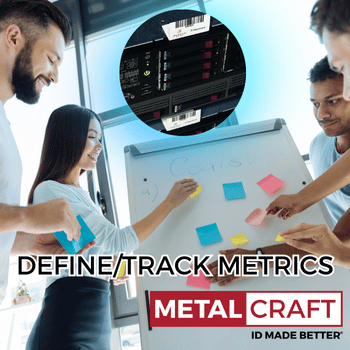
Tracking these metrics helps assess how well your organization is managing hardware assets, software licenses, and cloud assets. Monitoring asset information through real-time performance dashboards enables data-driven decision-making and continuous optimization of the asset management process.
Analyzing asset performance allows you to identify trends, uncover inefficiencies, and proactively address issues such as ghost assets or unnecessary costs. It also supports informed planning for future asset purchases, upgrades, and asset disposal activities.
By defining and consistently tracking meaningful KPIs, organizations can align their IT asset management best practices with business goals, improve accountability, and increase the overall value derived from their IT assets.
Conduct Regular Audits and Reviews
Regular asset audits are essential to validating the accuracy of your asset inventory and ensuring alignment with your asset management policy. Audits help confirm that documented asset data reflects the real-world status of IT assets, including hardware assets, software licenses, and cloud assets.
By identifying ghost assets—those lost, stolen, or no longer in use—audits help organizations eliminate unnecessary costs and optimize asset usage. They also uncover software compliance gaps, underused assets, and inconsistencies in asset allocation or usage, enabling better resource planning and asset performance tracking.
Audits contribute significantly to proactive risk management by highlighting potential security risks, such as outdated software, unsupported hardware, or assets lacking proper security controls. These findings can inform remediation strategies and reinforce compliance with industry regulations and internal standards.
Routine reviews also support better data management and reinforce the asset management process through continuous improvement. By conducting regular audits, organizations maintain a high level of accuracy, reduce operational risks, and strengthen their overall IT asset management strategy.
Continuously Improve and Adapt
IT environments evolve rapidly, making adaptability a cornerstone of effective IT asset management best practices. A continuous improvement mindset ensures your ITAM process stays relevant and efficient.
Use audit results, stakeholder feedback, and asset performance metrics to identify gaps and refine your asset management practices. Regular updates to your asset management policy help maintain compliance and optimize your asset management lifecycle.
Staying informed on emerging software tools, industry trends, and regulatory changes ensures your strategy remains aligned with evolving needs. Embracing automation helps reduce manual tasks, improve accuracy, and promote consistency across your ITAM process.
This proactive approach not only enhances data management and asset usage but also strengthens your ability to manage hardware assets, software licenses, and cloud assets efficiently.
By fostering a culture of continuous improvement, organizations can future-proof their IT asset management strategy and maintain resilience in the face of change.
Common ITAM Challenges and How to Overcome Them
Despite its importance, many organizations face common asset management challenges:
- Incomplete or inaccurate asset inventory: Use dynamic asset discovery techniques and asset management software to maintain a comprehensive asset inventory.
- Non-compliance with software licenses: Implement robust software asset management practices and conduct regular license audits.
- Lack of governance and policies: Establish a clear asset management policy and ensure all teams are trained on it.
- Siloed ITAM and ITSM processes: Foster integration between ITAM and service management to ensure better visibility.
- Difficulty tracking cloud assets and intellectual property: Use advanced software tools capable of managing cloud environments and digital assets.
- Addressing these challenges with strong asset management practices ensures better resource utilization, improved compliance, and a reduction in unnecessary costs.
Enhancing IT Asset Management with Barcode and RFID Tagging
Using barcode or RFID tags for IT asset management significantly improves accuracy, operational efficiency, and real-time visibility across the entire asset lifecycle. Barcode tags are a cost-effective solution that enable fast and reliable identification of IT assets through manual scanning. They are well-suited for organizations with moderate asset volumes, offering straightforward implementation and integration with existing asset management software. With barcode systems, organizations can streamline asset tracking, reduce manual entry errors, and maintain up-to-date asset inventory records.
RFID tags, while typically more expensive than barcodes, offer advanced tracking capabilities ideal for high-density IT environments such as data centers. RFID allows for non-line-of-sight and bulk scanning, enabling teams to track multiple assets simultaneously without direct contact. This technology supports faster inventory audits, enhances security by preventing asset loss, and provides deeper insights into asset location and status.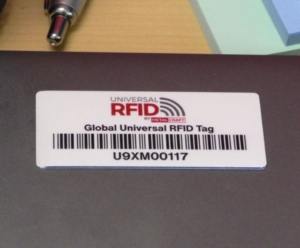
By tagging hardware assets with barcodes or RFID, and integrating them with asset management systems, organizations can eliminate ghost assets, optimize asset usage, and ensure compliance with IT asset management policies.
Conclusion and CTA
Implementing IT asset management best practices is no longer optional—it’s essential. By maintaining a detailed asset inventory, tracking the full asset lifecycle, enforcing strong governance, and integrating with ITSM practices, organizations can better manage IT assets and reduce operational risks.
Investing in asset management software, embracing automation, and continuously reviewing and adapting your approach will help you stay ahead in an increasingly complex IT environment. Whether you’re just starting your ITAM journey or looking to optimize existing processes, following these proven asset management best practices will drive efficiency and value across your organization.
Ready to take control of your IT assets? Contact us today to learn how our powerful asset management software can streamline your operations and ensure compliance across your enterprise.
About the Author: Kathleen Phillips

Mobile Phone: 641-423-9460
Office Phone: 641-423-9460
Email: [email protected]
Office: 3360 9th St SW, Mason City, IA 50401