

Universal RFID Asset Tag
Features
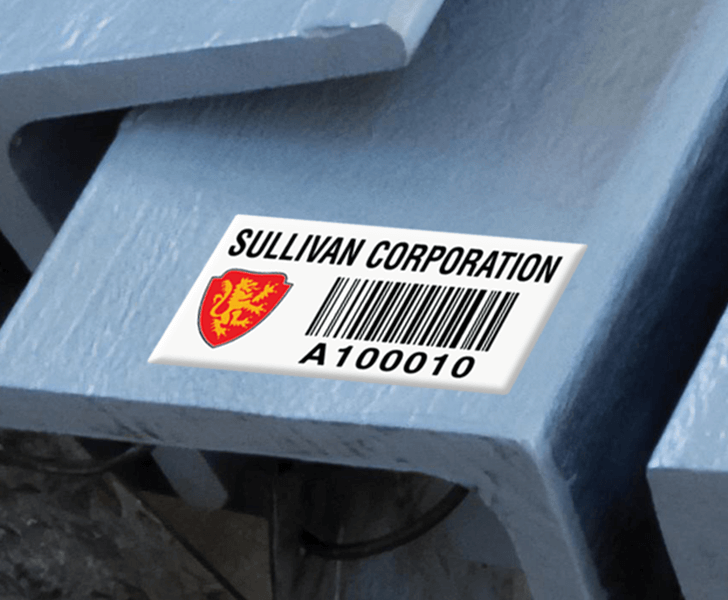
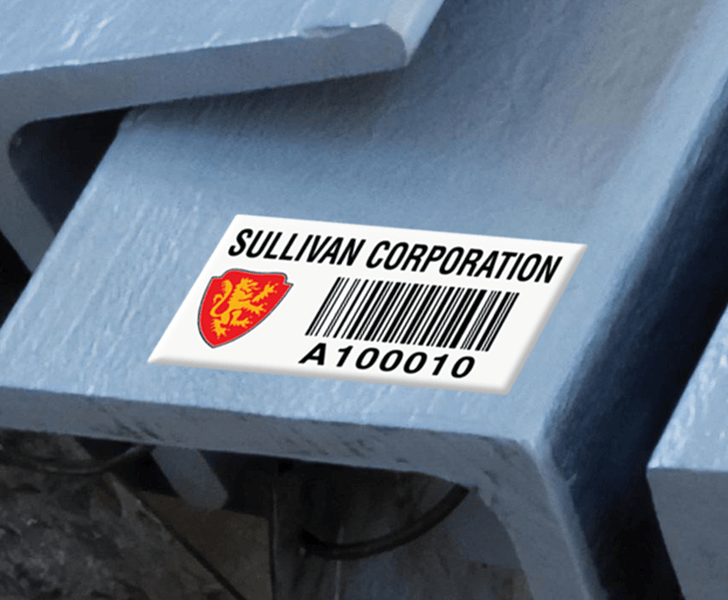
- Patented inlay design achieves excellent read range across multiple surfaces — including metal, plastic, and even wood — ensuring versatile use.
- Lowest profile in its class makes the label unobtrusive, blending seamlessly onto assets without adding bulk.
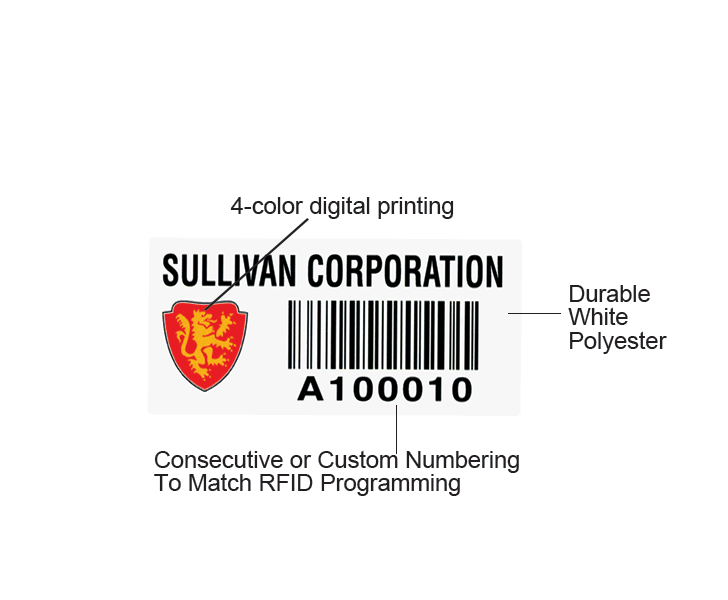
- Subsurface printing on durable polyester protects printed copy and barcodes from moderate solvents, caustics, and acids, ensuring long-lasting readability.
- Highly versatile design supports a wide range of asset tracking applications, from office equipment and tools to industrial machinery and IT assets.
- Strong adhesive backing or optional mounting methods ensure reliable attachment across various surfaces, providing durability and performance even in challenging environments.
Related Products
FAQs
On-metal RFID tags, also known as RFID UHF on-metal asset tags, are specially engineered to work on metal surfaces by preventing metal interference. These metal mount RFID tags use a combination of durable materials, specialized inlays, and unique form factors to reflect RFID signals away from the metal, ensuring reliable performance. Metal RFID tags allow accurate data retention, efficient asset tracking, and inventory management, making them indispensable tools for tracking metallic assets in various industries and harsh environments.
Standard RFID tags fail on metal surfaces because metal interference detunes the RFID signals, making them unreadable. Metal mount RFID tags overcome this by using materials and design that shield the RFID signals, allowing metal RFID tags to operate efficiently. On-metal RFID tags ensure accurate asset tracking, inventory accuracy, and effective asset management, even when attached to metallic assets or placed in challenging metal applications like warehouses, manufacturing, or heavy industry.
On-metal RFID tags and metal mount RFID tags are built using durable materials such as rugged plastics, ceramics, or epoxy layers that create space between RFID signals and metal surfaces. These layers prevent signal loss, ensuring metal RFID tags provide strong read range and reliable performance. These tags are perfect for asset tracking applications, including metallic assets and tools, where durability, harsh environment resistance, and efficient asset tracking are critical to maintaining resource utilization and data accuracy.
On-metal RFID tags are ideal for asset tracking applications like tool management, equipment monitoring, and inventory management in metal environments. Metal mount RFID tags excel on metal surfaces where standard RFID tags fail, offering reliable tracking for metal assets in manufacturing, education, construction, aerospace, and oil and gas. Metal RFID tags ensure efficient asset tracking, improve resource utilization, and maintain inventory accuracy, making them essential tools in operations where metallic assets are frequently moved, tracked, and maintained.
The read range of on-metal RFID tags depends on the tag’s form factors, operating frequency, and metal mount design. Using UHF RFID, metal RFID tags can achieve impressive read ranges from several feet up to 35 feet, even on metal surfaces. Metal mount RFID tags are designed for efficient asset tracking and data retention, ensuring metallic assets can be monitored and located with high accuracy across warehouses, industrial plants, or outdoor environments, optimizing asset management systems.
Yes, on-metal RFID tags are built for unmatched durability in harsh environments, including exposure to UV rays, chemicals, abrasion, and extreme temperatures. Metal mount RFID tags use rugged housings to protect RFID signals and maintain read range on metal surfaces. These metal RFID tags ensure long-term asset management, efficient asset tracking, and inventory management, providing reliable performance even on metallic assets used in outdoor or industrial conditions where toughness and resilience are essential for successful asset tracking applications.
On-metal RFID tags are available in a wide variety of form factors, from compact metal tags used on tools to larger plate-style or bar metal mount RFID tags for heavy machinery. Metal RFID tags are designed to fit various metal surfaces, ensuring compatibility with diverse metallic assets. These tags offer reliable read range, efficient asset tracking, and strong RFID signals, making them flexible solutions across industries, improving inventory accuracy and asset tracking applications on metal equipment and components.
Metal mount RFID tags can be attached to metal surfaces using strong adhesive backing, screws, rivets, welding, or magnetic fasteners. This flexibility ensures on-metal RFID tags remain securely in place on metallic assets, maintaining RFID signals and read range. By providing reliable attachment methods, metal RFID tags ensure accurate asset tracking, support inventory management, and withstand harsh environments, making them ideal for asset management systems that require efficient asset tracking and long-term durability on metal surfaces.
Yes, on-metal RFID tags and metal RFID tags are highly customizable. Metal mount RFID tags can feature company logos, serial numbers, barcodes, and specific operating frequencies, ensuring they meet the unique needs of asset tracking applications. Customization extends to the form factors, adhesive types, and inlay designs, allowing metal RFID tags to deliver efficient asset tracking, strong RFID signals, and reliable read range, all while enhancing inventory accuracy and asset management for metallic assets in demanding metal applications.
Choosing the right on-metal RFID tag involves evaluating your metal surfaces, asset tracking goals, operating frequency, environmental conditions, and read range requirements. Metal mount RFID tags are selected based on their compatibility with metallic assets, durability, and RFID signal performance. By partnering with experts, you can ensure your metal RFID tags deliver efficient asset tracking, inventory accuracy, and optimized resource utilization, providing a tailored solution for your specific asset management and metal application needs.