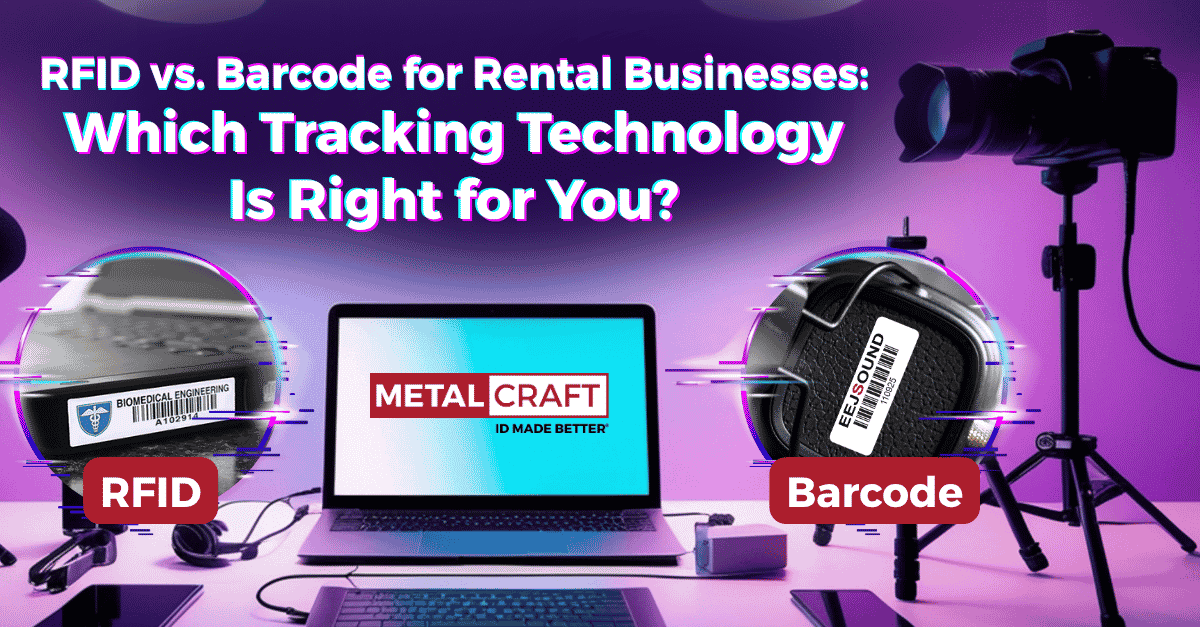
For rental businesses, visibility is everything.
Whether you’re renting construction equipment, power tools, medical equipment, AV gear, cameras, event equipment, or industrial assets, profitability depends on knowing exactly where equipment is located, when it’s available, and when it is due back from a customer. Lost assets, inaccurate inventory records, and slow check-in/check-out processes can quickly impact customer satisfaction and profitability.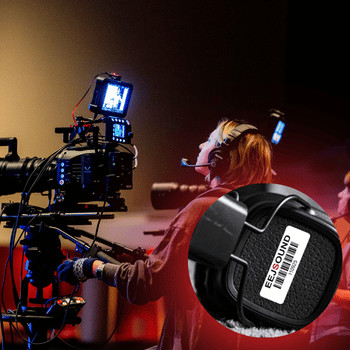
Most rental companies begin with barcode systems because barcode labels are inexpensive, easy to deploy, and compatible with virtually every rental software platform. Barcode tracking provides a reliable and cost-effective solution for inventory management and asset tracking while requiring very little upfront investment.
However, as rental operations grow, manual scanning often becomes a bottleneck. Employees spend valuable time conducting inventory counts, searching for equipment, and reconciling inventory discrepancies across multiple locations. These manual processes increase labor costs and create opportunities for human error.
This is where RFID technology is changing the conversation. RFID systems can read multiple tags simultaneously without requiring line of sight, enabling faster inventory counts, improved visibility, and greater automation. While both RFID and barcode technologies can improve inventory control, they solve different problems and deliver different levels of visibility. Understanding those differences is the key to selecting the right asset tracking technology for your rental business.
Why Asset Tracking Matters in Rental Operations
Rental companies depend on accurate inventory tracking to maximize equipment utilization and profitability.
Common challenges include:
- Lost rental equipment
- Missing assets
- Inventory inaccuracies
- Slow check-in and check-out processes
- Time-consuming inventory checks
- Low asset utilization
- Difficulty locating equipment across multiple locations
Employees often spend significant time searching for equipment, performing audits, and manually updating inventory systems. These inefficiencies can increase labor costs, delay customer service, and reduce operational efficiency.
Without reliable asset tracking, rental businesses may purchase duplicate equipment unnecessarily, miss maintenance schedules, lose rental revenue, and struggle to provide accurate availability information to customers.
This is why many organizations invest in barcode systems, RFID systems, or hybrid tracking solutions that improve inventory accuracy and provide greater visibility into rental operations.
How Barcode Tracking Works
Barcode technology remains one of the most widely used inventory tracking methods in the rental industry.
Barcode tracking relies on barcode labels that contain a unique identifier linked to records within rental software or inventory systems. Employees use barcode scanners or handheld scanners to read the barcode and capture data about the asset.
Because barcode technology uses optical scanning, barcode systems require direct line of sight between the scanner and the barcode. Each asset must be scanned individually to record its location or status.
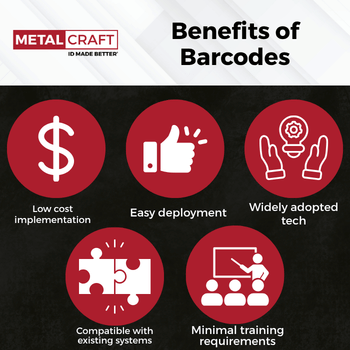
Benefits of Barcodes
Barcode systems offer several advantages:
- Low cost implementation
- Easy deployment
- Widely adopted technology
- Compatible with existing systems
- Minimal training requirements
For smaller rental businesses or organizations with limited inventory volume, barcode tracking can provide an affordable and effective solution.
Limitations of Barcodes
Despite their advantages, barcode systems require manual scanning and are heavily dependent on employee involvement.
Common limitations include:
- Assets must be scanned individually
- Direct line of sight is required
- Inventory counts can be labor intensive
- Manual scanning increases the risk of human error
- Time-consuming inventory checks become more challenging as fleets grow
While barcodes remain an effective tracking method, larger rental operations often encounter scalability challenges as inventory volume increases.
How RFID Tracking Works
Unlike barcodes, RFID technology uses radio waves to transmit data between RFID tags and RFID readers. Each RFID tag contains a microchip and antenna that store information about the asset.
When an RFID reader sends radio signals, the RFID tag responds by transmitting data back to the reader. Because RFID operates using radio frequency identification rather than optical scanning, RFID systems do not require line of sight.
This allows RFID readers to scan multiple items simultaneously without manually aligning each asset with a scanner.
Benefits of RFID
RFID technology provides several advantages for rental operations: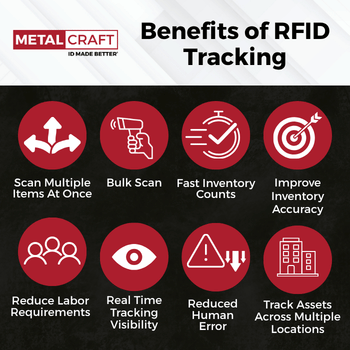
- Scan multiple items simultaneously
- Bulk scanning capability
- Faster inventory counts
- Improved inventory accuracy
- Reduced labor requirements
- Real time tracking visibility
- Reduced human error
- Better asset tracking across multiple locations
RFID systems allow for batch check-ins and check-outs, enabling employees to process large volumes of equipment quickly and efficiently. RFID can scan hundreds of items in seconds, dramatically reducing the time required for inventory audits.
Additionally, RFID tags can store more data than traditional barcodes, including maintenance records, inspection histories, service schedules, and other asset information.
Considerations
RFID solutions typically require:
- RFID tags
- RFID readers
- Supporting infrastructure
- Software integration
RFID tags are more expensive than barcode labels because they contain built-in microchips and antennas. RFID systems also require a larger upfront investment than barcode systems.
However, many organizations find that labor savings, improved inventory accuracy, and operational efficiency gains justify the higher price tag.
RFID vs Barcode: Side-by-Side Comparison
| Feature | Barcode | RFID |
|---|---|---|
| Cost | Lower | Higher |
| Line of Sight Required | Yes | No |
| Read Multiple Assets | No | Yes |
| Inventory Speed | Slower | Faster |
| Labor Requirements | Higher | Lower |
| Accuracy | Good | Excellent |
| Automation | Limited | High |
| Real-Time Visibility | No | Yes |
The key differences between RFID vs barcode tracking come down to automation, labor requirements, inventory speed, and visibility.
When Barcode Tracking Makes Sense
Barcode systems remain an excellent choice for many rental businesses.
They are ideal for:
- Small rental businesses
- Budget-sensitive operations
- Limited inventory volume
- Single-location businesses
- Basic inventory control requirements
Examples include:
- Small tool rental companies
- Local event rental businesses
- Specialty equipment providers
- Start-up rental operations
When inventory counts remain manageable and manual scanning is acceptable, barcodes provide a cost-effective solution.
When RFID Makes Sense
RFID becomes increasingly valuable as rental operations grow.
RFID is often the right solution for:
- Large rental fleets
- Multiple locations
- High-value rental equipment
- Frequent inventory audits
- Complex inventory management requirements
Common examples include:
- Construction equipment rental
- AV rental companies
- Camera and production rentals
- Medical equipment rentals
- Industrial equipment rental operations
Organizations managing large inventories often realize significant benefits from RFID because it improves visibility while reducing labor requirements.
5 Signs You’ve Outgrown Barcode Tracking
1. Inventory Counts Take Too Long
If inventory counts consume hours of labor, barcode scanning may be limiting productivity. RFID enables bulk scanning and significantly faster audits.
2. Equipment Frequently Goes Missing
Lost rental equipment directly impacts profitability. RFID tracking improves visibility and helps reduce asset loss.
3. Employees Spend Too Much Time Searching
When employees spend valuable time locating equipment, operational efficiency suffers. RFID provides greater visibility into asset locations.
4. Multiple Locations Create Blind Spots
Managing inventory across multiple locations becomes increasingly difficult with manual processes. RFID provides better visibility throughout distributed rental operations.
5. Customers Need Faster Service
Long check-in and check-out times impact customer satisfaction. RFID systems support faster transactions and improved customer experiences.
How Rental Software and RFID Work Together
One of the biggest misconceptions about RFID is that it replaces rental software.
It doesn’t.
Rental software remains responsible for managing customer information, rental contracts, inventory records, billing, maintenance records, and business operations.
RFID enhances rental software by improving how inventory data is collected.
Instead of relying solely on manually scanning barcodes, RFID readers automatically capture data and transmit information directly into inventory systems. This provides a more accurate and timely view of equipment status and availability.
Benefits include:
- Faster check-in and check-out processes
- Improved inventory accuracy
- Better utilization reporting
- Reduced asset loss
- More accurate maintenance records
- Greater visibility across multiple locations
Implementing RFID requires integration with existing inventory management software, but the result is a more efficient and automated operation.
Why Hybrid RFID and Barcode Systems Are Growing
Many rental businesses do not choose between RFID and barcode technologies—they use both.
A hybrid approach allows organizations to combine RFID and barcode systems based on asset value, tracking requirements, and budget considerations.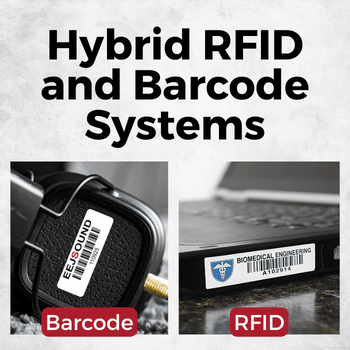
For example:
- High-value rental equipment receives RFID tags.
- Lower-value inventory uses barcode labels.
- Rental software manages both technologies within a single platform.
This strategy allows businesses to gain the benefits of RFID while controlling implementation costs.
Hybrid RFID and barcode technologies are becoming increasingly common because they offer flexibility while supporting future growth.
Choosing the Right Technology for Your Rental Business
The RFID vs barcode decision ultimately depends on your operational goals.
Choose barcodes if:
- Cost is the primary concern
- Inventory volume is relatively small
- Manual processes are acceptable
- Basic inventory tracking meets your needs
Choose RFID if:
- Asset visibility is critical
- Labor costs are increasing
- Inventory audits consume significant time
- Real-time tracking is important
- Asset utilization needs improvement
- You manage large inventories or multiple locations
Conclusion
The RFID vs barcode discussion is not about determining which technology is universally better. Both RFID systems and barcode systems can improve inventory management, inventory tracking, and asset tracking.
The real question is which technology aligns with your rental operations, inventory volume, labor resources, and long-term growth plans.
For smaller fleets and budget-conscious organizations, barcode systems remain a proven and cost-effective solution. For larger rental businesses managing multiple locations, high-value rental equipment, and frequent inventory audits, RFID offers greater visibility, automation, and operational efficiency.
In many cases, a hybrid approach that combines RFID and barcode technologies provides the best balance of cost, flexibility, and performance. The right asset tracking technology is the one that helps your business improve inventory accuracy, reduce labor costs, and deliver a better customer experience.
About the Author: John Fitzsimmons

Mobile Phone: 641-423-9460
Office Phone: 641-423-9460
Email: [email protected]
Office: 3360 9th St SW