Tool Tracking Labels: The Key to Smarter Tool Management
Every day, businesses across construction sites, manufacturing facilities, utilities, maintenance departments, warehouses, and field service operations rely on tools to keep work moving. Yet many organizations still struggle to track where tools are located, who is using them, and when they need maintenance or replacement.
Missing tools, inaccurate inventory records, and manual tracking processes cost companies valuable time and money. Even a single lost tool can delay projects, reduce productivity, and increase replacement expenses. As tool inventories grow, maintaining accountability becomes even more challenging.
That’s why more organizations are investing in durable tool tracking labels. Whether using barcode labels, QR codes, or RFID tags, modern tracking systems help businesses reduce loss, improve asset management, and gain greater control over valuable equipment.
Metalcraft’s industrial-grade asset tags and tool tracking tags are engineered to withstand harsh environments while delivering reliable identification and long-term performance. With the right tracking labels in place, organizations can improve visibility, simplify audits, and create a more efficient operation.
What Are Tool Tracking Labels?
Definition and Purpose
Tool tracking labels are durable identification labels or asset tags applied directly to tools and equipment. These labels help organizations track assets throughout their lifecycle for inventory control, maintenance management, and loss prevention.
Each label typically contains a unique serial number, barcode, QR code, or RFID identifier that links the asset to a tracking system. When scanned, the label provides immediate access to information such as ownership, maintenance history, location, and usage records.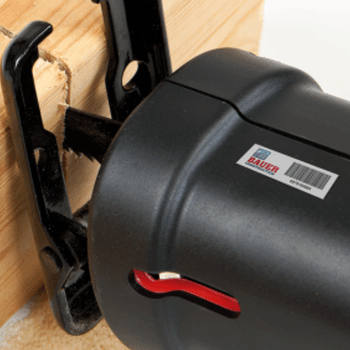
By creating a unique identity for every asset, businesses can improve accountability and better manage their tool inventory.
Common Technologies Used
Several technologies are commonly used for tool tracking labels:
- Barcode labels
- QR codes
- RFID tool tracking tags
- Serialized asset labels
Barcode labels remain one of the most widely adopted options because they are easy to implement and cost effective. QR codes can store additional data and provide quick access to digital records.
RFID tags use radio frequency technology to automatically identify and track assets without requiring direct line of sight scanning. This makes RFID an increasingly popular solution for large tool inventories and industrial environments.
Industries That Use Tool Tracking Labels
Tool tracking labels are used across a wide range of industries, including:
- Construction
- Manufacturing
- Utilities
- Aerospace
- Oil and gas
- Field service
- Government agencies
- Military organizations
Any organization responsible for managing large numbers of tools can benefit from a structured tracking program.
Why Businesses Invest in Tool Tracking Labels
Reduce Tool Loss and Theft
One of the biggest reasons companies implement tool tracking tags is to reduce tool loss, theft, and misplacement. In industries where tools frequently move between employees, jobsites, vehicles, and facilities, it can be difficult to know who has a tool or where it was last used.
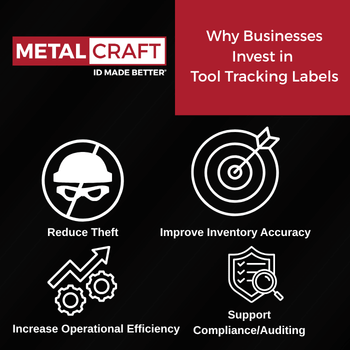
Clearly marked tools with barcode labels, QR codes, or RFID tags improve accountability by linking each asset to a tracking system. Employees know equipment is being monitored, which can discourage unauthorized removal and encourage responsible use.
Tool tracking tags also make it easier to locate missing equipment. Managers can quickly identify an asset’s status, assigned user, or last known location rather than spending valuable time searching for tools or replacing them unnecessarily.
By reducing loss and improving visibility, organizations can lower replacement costs, minimize downtime, and maintain better control over valuable assets. The result is improved inventory accuracy, greater operational efficiency, and confidence that tools are available when and where they are needed
Improve Inventory Accuracy
Manual inventory processes are often time-consuming, labor-intensive, and prone to errors. Relying on handwritten records, spreadsheets, or manual data entry can lead to misplaced assets, inaccurate counts, and outdated inventory information. As tool inventories grow, these inefficiencies become even more difficult to manage.
Using barcode labels or RFID tags allows businesses to collect accurate data quickly and consistently. Employees can scan assets in seconds, reducing the risk of human error while improving inventory visibility. Instead of manually updating records, organizations can create a digital audit trail that provides detailed tracking information for every asset, including location, status, and maintenance history. This improved accuracy helps businesses make better decisions, streamline audits, and maintain greater control over valuable tools and equipment.
Increase Operational Efficiency
Tool tracking labels help improve operational efficiency in several ways:
- Faster tool check-in and check-out by simplifying the process of recording who has equipment and when it was issued or returned.
- Easier location tracking so employees can quickly identify where tools are stored, assigned, or currently being used.
- Reduced downtime by minimizing the time spent searching for missing or misplaced tools and ensuring equipment is available when needed.
- Better maintenance scheduling through accurate usage records that help teams track inspections, repairs, and service intervals.
When employees can quickly locate and access the tools they need, work gets done more efficiently. Improved visibility into tool availability and status helps eliminate delays, supports better planning, and increases overall productivity across the organization.
Support Compliance and Auditing
Many industries require detailed asset records to meet regulatory requirements, support inspections, and maintain internal accountability. Accurate documentation is often essential for demonstrating compliance, tracking maintenance activities, and verifying asset ownership throughout an equipment’s lifecycle. Serialized asset tags help organizations maintain consistent records by assigning a unique identifier to each tool or piece of equipment. When integrated with an asset management system, these tags simplify reporting, improve audit readiness, and provide a reliable history of asset usage, location changes, maintenance events, and inventory status.
Types of Tool Tracking Labels
Polyester Barcode Labels
Polyester barcode labels are a popular choice for indoor environments and moderate industrial applications because they provide an excellent balance of durability, performance, and affordability. These labels can be printed with barcodes, serial numbers, logos, and custom text, making them ideal for identifying and tracking tools, equipment, and other assets. Polyester labels are commonly used in warehouses, maintenance departments, and controlled manufacturing environments where they may be exposed to routine handling, light abrasion, and occasional cleaning. With reliable barcode readability and strong adhesive options, they offer an easy and cost-effective solution for supporting inventory control, asset management, and tool tracking programs.
Metal Asset Tags
For harsh industrial environments, metal asset tags often provide the best long-term solution. Anodized aluminum tags are a popular choice because they are lightweight, cost effective, and resistant to abrasion, moisture, chemicals, solvents, and corrosion. Many are tested to withstand salt spray exposure, making them ideal for outdoor and marine applications. For extreme conditions involving high heat, heavy wear, or aggressive chemicals, stainless steel tags offer maximum durability and long-term readability.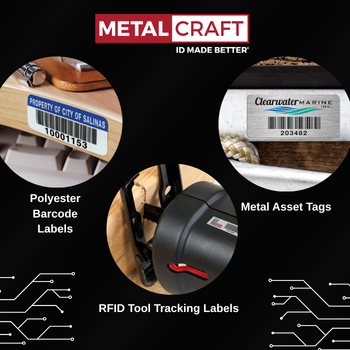
RFID Tool Tracking Labels
RFID tags continue to gain popularity for industrial tool tracking applications because they provide faster and more automated asset visibility than traditional barcode systems. Unlike barcodes, RFID tags use radio frequency signals and do not require direct line-of-sight scanning.
Benefits of RFID tracking tags include:
- Faster inventory counts by allowing users to scan large numbers of assets quickly.
- Bulk scanning capability that can identify multiple tagged tools simultaneously.
- Improved visibility into asset locations and movements across facilities.
- Reduced labor requirements by minimizing manual scanning and data entry.
- Better control of assets throughout warehouses, jobsites, and manufacturing operations.
Organizations implementing RFID often find they can complete audits in minutes rather than hours, improving inventory accuracy and operational efficiency.
How to Choose the Right Tool Tracking Label
Consider the Environment
The operating environment should be one of the first considerations when selecting tool tracking labels. Choosing a label that matches the conditions the asset will face helps ensure long-term durability and readability. Before selecting a label material, evaluate potential exposure to:
- Chemicals used in manufacturing or maintenance processes
- Solvents that may damage standard labels
- Moisture from outdoor use or washdown procedures
- UV exposure in outdoor environments
- Abrasion caused by frequent handling or contact with equipment
- High heat from industrial processes or operating conditions
Labels should be designed to withstand these environmental challenges throughout the asset’s lifecycle to maintain reliable identification and tracking performance.
Evaluate Surface Material
Different tool and equipment materials require different attachment methods to ensure labels remain secure and readable over time. Tool tracking labels may need to be applied to a variety of surfaces, including:
- Metal tools that may require specialized adhesives or metal asset tags
- Plastic tool cases that need strong adhesion without damaging the surface
- Curved surfaces where label flexibility is important
- Powder-coated equipment that can present unique adhesion challenges
Selecting the right label material, adhesive, and construction for the application helps maximize durability, maintain barcode or RFID performance, and ensure long-term tracking reliability.
Determine Your Tracking Technology
Organizations should determine which tracking technology best fits their operational needs and budget. Barcode systems are affordable, easy to implement, and effective for many asset tracking applications. QR codes can store additional information and provide quick access to digital records. RFID technology offers faster, automated tracking without requiring line-of-sight scanning. While barcodes typically have lower upfront costs, RFID often delivers greater ROI for organizations managing large inventories, frequent audits, or multiple locations.
Choose the Right Adhesive or Attachment Method
Attachment methods may include:
- Permanent adhesive for fast, reliable application on smooth surfaces.
- Rivets for maximum durability in harsh industrial environments.
- Screws when a secure mechanical attachment is required.
- Wire attachments for tools or equipment that cannot accommodate adhesive labels.
- Hang tags for temporary identification or assets with irregular shapes.
Selecting the proper attachment method helps protect the label from damage, maintain readability, and extend its lifespan. The right attachment solution also improves tracking reliability by ensuring labels remain securely attached throughout the asset’s service life.
Barcode vs RFID Tool Tracking Labels
Barcode Tracking Benefits
Barcode labels remain popular because they offer several practical advantages for organizations implementing a tool tracking or asset management program:
- Lower upfront cost compared to more advanced tracking technologies.
- Easy implementation with minimal infrastructure requirements.
- Widely adopted technology that is familiar to most employees and organizations.
- Simple scanning processes using standard barcode readers or mobile devices.
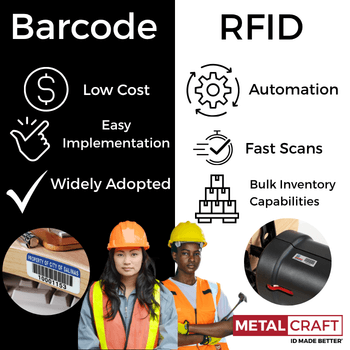
These benefits make barcode labels an attractive option for businesses seeking a reliable and cost-effective way to identify and track assets. For many organizations, barcode tracking provides an excellent starting point for improving inventory accuracy, accountability, and overall asset visibility.
RFID Tracking Benefits
RFID tags offer several advantages for organizations that need greater speed, automation, and visibility within their asset tracking operations:
- Faster scanning that allows users to inventory assets in a fraction of the time required for barcode systems.
- Greater automation by reducing the need for manual scanning and data entry.
- Long-range reading capabilities that enable assets to be identified from greater distances.
- Improved visibility into asset locations and movements throughout a facility.
- Bulk inventory capabilities that allow multiple tagged assets to be scanned simultaneously.
RFID technology can automatically identify and track multiple tools at once, helping organizations reduce labor requirements, improve inventory accuracy, and streamline asset management processes.
Which Option Is Best for Your Business?
The best tracking solution depends on several factors, including:
- Budget and available resources for implementation.
- Tool volume and the number of assets that need to be tracked.
- Environmental conditions that may affect label durability and performance.
- Operational complexity such as multiple facilities, frequent audits, or shared equipment.
Organizations managing thousands of assets often find that RFID provides greater long-term value through faster inventory counts and increased automation. Smaller operations with fewer assets or simpler tracking requirements may find that barcode systems offer an effective and cost-efficient solution.
Best Practices for Implementing a Tool Tracking System
Standardize Label Placement
Consistent label placement improves scanning efficiency and helps employees locate tracking information quickly. When labels are applied in the same location on every tool or asset, users spend less time searching for barcodes or RFID tags during audits, inspections, and inventory counts. Standardized placement also improves scan accuracy, reduces missed reads, and creates a more streamlined tracking process across the organization.
Use Durable Materials
Integrate with Asset Management Software
Tool tracking labels become even more valuable when integrated with asset management software, including:
- CMMS platforms that help schedule maintenance, track repairs, and manage equipment lifecycles.
- Inventory systems that provide real-time visibility into tool availability, location, and usage.
- ERP software that connects asset data with purchasing, accounting, and operational workflows.
By linking barcode labels or RFID tags to these systems, organizations can automate data collection, improve record accuracy, and gain greater visibility into asset performance. These integrations help businesses sort, filter, track, and manage asset data more effectively while supporting better decision-making and operational efficiency.
Why Durable Tool Tracking Labels Matter
Cheap Labels Often Fail in Industrial Environments
Low-quality labels may initially appear attractive because of their lower purchase price, but they often fail when exposed to demanding industrial environments. Common failures include:
- Fading caused by UV exposure, cleaning processes, or harsh operating conditions.
- Peeling when adhesives cannot withstand moisture, temperature changes, or frequent handling.
- Barcode degradation that makes scanning difficult or impossible.
- Lost readability due to abrasion, chemicals, or general wear and tear.
When labels fail, businesses lose visibility into their assets and may need to spend additional time and money replacing labels, updating records, and locating equipment. Choosing durable tracking labels helps maintain reliable asset identification and reduces long-term costs.
Industrial-Grade Labels Deliver Long-Term ROI
Durable tool tracking labels are designed to meet the demanding requirements of industrial environments, where tools and equipment are exposed to constant handling, harsh conditions, and heavy use. Premium labels help reduce:
- Replacement expenses by maintaining their integrity and readability over time.
- Downtime caused by missing, unidentified, or improperly tracked assets.
- Tracking errors that can result from damaged or unreadable labels.
- Asset loss by improving visibility and accountability throughout the organization.
Choosing engineered labels built for harsh environments helps organizations protect their investment, improve tracking reliability, and maintain long-term control of valuable tools and equipment.
Frequently Asked Questions About Tool Tracking Labels
What Information Should Go on a Tool Tracking Label?
Most tool tracking labels include:
- Serial number
- Barcode or RFID identifier
- Company name
- Asset ID
- Maintenance information
Can RFID Tags Work on Metal Tools?
Yes. Specialized RFID tags are designed specifically for metal surfaces and provide reliable performance in industrial environments.
How Durable Are Industrial Tool Tracking Labels?
Durability depends on the material selected. Polyester labels work well in moderate environments, while anodized aluminum and metal asset tags are ideal for applications involving abrasion, chemicals, moisture, salt spray, and high heat.
Improve Tool Accountability with the Right Tracking Labels
Tool tracking labels play a critical role in modern asset management programs. By improving inventory control, reducing theft and loss, and increasing operational efficiency, these labels help organizations gain greater visibility into their tools and equipment.
Whether you choose barcode labels, QR codes, or RFID tool tracking tags, selecting the right material and technology is essential for long-term success. Durable labels designed for your specific environment will deliver better performance, lower replacement costs, and more reliable asset tracking over time.
Ready to improve tool visibility and reduce equipment loss? Explore durable barcode and RFID tool tracking labels engineered for harsh industrial environments. Contact Metalcraft’s labeling specialists, request samples, or speak with an expert to find the right product for your application.
About the Author: John Fitzsimmons

Mobile Phone: 641-423-9460
Office Phone: 641-423-9460
Email: [email protected]
Office: 3360 9th St SW