
Modern laboratories depend on precision, uptime, and accountability to maintain smooth lab operations. Whether supporting scientific research, healthcare diagnostics, pharmaceutical manufacturing, or life sciences applications, today’s labs rely on advanced laboratory equipment to produce accurate results while meeting strict regulatory requirements. As organizations make significant investments in lab equipment and infrastructure, the need for effective lab asset management continues to grow.
Without a structured laboratory asset management strategy, lab managers often struggle with misplaced equipment, missed calibration schedules, incomplete maintenance records, and rising operational costs. Unexpected equipment failures and poor visibility into equipment status can disrupt laboratory operations, reduce productivity, and create regulatory non compliance risks.
Effective asset management combines standardized workflows, asset management software, durable identification labels, and real time tracking technologies to improve visibility across all laboratory assets. A comprehensive system helps organizations monitor asset usage, maintenance history, equipment qualification, and inventory levels while improving operational efficiency.
One of the most important components of any lab asset management system is reliable asset identification. Durable barcode and RFID tags provide the foundation for accurate asset tracking in demanding lab environments where chemicals, moisture, cleaning protocols, and temperature changes are common. Metalcraft helps organizations improve lab efficiency and maintain compliance with durable barcode and RFID labels designed specifically for laboratory conditions.
What Is Lab Asset Management?
Lab asset management is the process of tracking, maintaining, monitoring, and optimizing laboratory assets throughout their lifecycle. This includes managing everything from analytical instruments and support equipment to maintenance scheduling, calibration records, and asset utilization.
An effective lab asset management program helps organizations reduce downtime, improve equipment usage, maintain compliance, and make data driven decisions about equipment investments and resource allocation.
Definition and Scope
Laboratory asset management involves tracking lab equipment from procurement through disposal. A successful system allows organizations to identify assets, monitor asset usage, track maintenance logs, and maintain accurate records for inspections and audits.
Modern lab asset management software centralizes critical information such as:
- Exact location of equipment
- Maintenance history
- Calibration records
- Usage patterns
- Service contracts
- Equipment repairs
- Maintenance scheduling
- Equipment Status
This level of visibility helps lab managers improve proper management of laboratory assets while increasing overall lab efficiency.
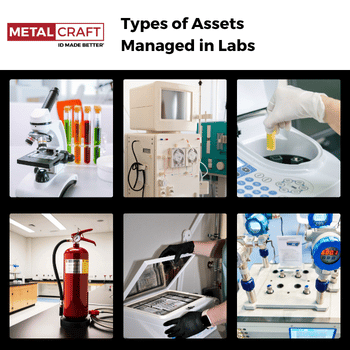
Types of Assets Managed in Labs
Most laboratories manage a wide range of equipment and support assets, including:
- Analytical instruments
- Mobile carts and support devices
- Shared testing equipment
- Compliance and safety assets
- Storage systems and freezers
- Calibration tools
Many organizations also track consumables, inventory levels, and contract management details within their enterprise asset management systems to improve cost effectiveness and operational control.
Why It’s Increasingly Important
As laboratories become more automated and data-driven, efficient asset management plays a larger role in maintaining productivity and compliance. Rising regulatory standards, increasing operational costs, and growing equipment complexity make laboratory asset management essential for modern facilities.
Organizations implementing effective lab asset management gain several key benefits:
- Reduced equipment downtime
- Better preventive maintenance planning
- Improved efficiency
- Stronger regulatory compliance
- Better asset utilization
- Cost savings through optimized resource allocation
For many labs, asset management software has become critical for maintaining smooth lab operations and supporting long-term operational efficiency.
Why Effective Lab Asset Management Matters
Strong lab management practices directly impact productivity, compliance, and financial performance. Without clear visibility into laboratory equipment, organizations risk equipment downtime, compliance issues, and wasted spending on underutilized assets.
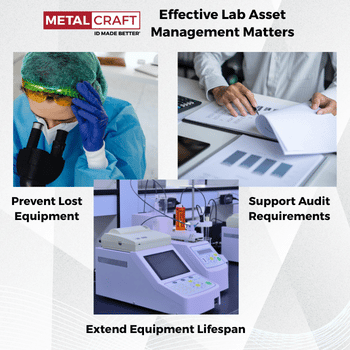 Prevent Lost or Misplaced Equipment
One of the biggest challenges facing lab managers is locating equipment quickly when it is needed. Shared devices frequently move between departments, making manual tracking difficult.
Asset tracking systems help organizations monitor the exact location of equipment in real time. Barcode and RFID technology simplify equipment identification and help streamline operations across multiple lab environments.
Improved visibility reduces replacement purchases, minimizes delays, and helps lab managers increase productivity throughout laboratory operations.
Improve Maintenance and Calibration Compliance
Routine preventive maintenance is essential for ensuring accurate test results and minimizing unexpected equipment failures. Missed maintenance scheduling or overdue calibration can compromise data quality and increase the risk of regulatory non compliance.
Lab asset management software helps organizations:
- Schedule maintenance automatically
- Monitor calibration records
- Track maintenance logs
- Manage maintenance history
- Document equipment qualification
Automated alerts help reduce downtime while ensuring consistent regulatory compliance.
Support Audit and Accreditation Requirements
Laboratories operating in healthcare, life sciences, and scientific research environments often face strict regulatory requirements. Maintaining accurate maintenance records and equipment documentation is critical for audit readiness.
A centralized asset management system helps organizations maintain compliance by storing:
- Calibration records
- Maintenance logs
- Service documentation
- Equipment usage history
- Validation data
This simplifies inspections while reducing the risk of non compliance penalties.
Extend Equipment Lifespan
Proper management of laboratory equipment extends asset life and reduces total cost of ownership. Preventive maintenance programs help organizations minimize equipment repairs and avoid costly downtime events.
Tracking asset usage and equipment status also helps identify underutilized assets, allowing organizations to make strategic decisions about future purchases and equipment allocation.
Core Components of a Lab Asset Management System
Successful laboratory asset management programs rely on several foundational components working together within a comprehensive system.
Asset Identification and Labeling
Every lab asset should have a unique identifier that connects physical equipment to digital records. Durable barcode labels and RFID tags are commonly used to support accurate asset tracking.
Reliable labels help organizations:
- Identify assets quickly
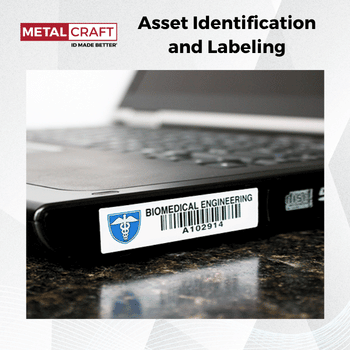
- Improve real time tracking
- Maintain readable asset data
- Simplify equipment audits
Centralized Asset Database
Asset management software provides a centralized database for storing equipment information and operational data.
This database may include:
- Asset ownership
- Equipment status
- Usage patterns
- Maintenance records
- Contract management details
- Inventory management data
- Performance metrics
Centralization improves visibility and supports data analysis across laboratory operations.
Maintenance and Calibration Scheduling
Automated maintenance scheduling helps organizations reduce downtime while improving compliance. Preventive maintenance workflows ensure that calibration and servicing occur on schedule with minimal disruption.
Automated alerts help lab managers maintain compliance while reducing administrative burden.
Usage Tracking and Accountability
Tracking asset usage helps organizations improve accountability and optimize asset utilization. Check-in/check-out workflows, RFID technology, and user logs help monitor equipment usage across departments.
This data also provides actionable insights into equipment demand, performance, and operational trends.
Barcode vs RFID for Lab Asset Management
Both barcode and RFID technology support efficient asset management, but each solution offers different advantages depending on the environment and application.
Barcode Labels for Cost-Effective Tracking
Barcode asset labels remain one of the most widely used solutions for inventory management and asset tracking in laboratories.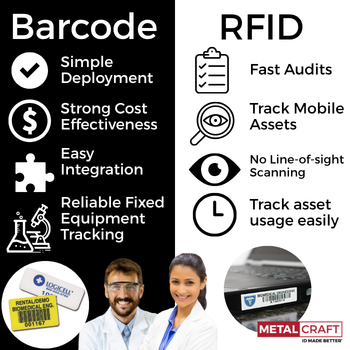
Benefits include:
- Simple deployment
- Strong cost effectiveness
- Easy integration with asset management software
- Reliable tracking for fixed equipment
Barcode systems work especially well for stationary laboratory equipment and controlled workflows.
RFID for Automation and Visibility
RFID technology provides enhanced automation and real time data visibility for laboratories managing mobile or high-value assets.
RFID tags support:
- Faster audits
- Real time tracking
- No line-of-sight scanning
- Better visibility into equipment usage
- Improved tracking asset usage capabilities
RFID also helps organizations reduce downtime and improve overall lab efficiency.
Hybrid Lab Tracking Strategies
Many organizations combine barcode and RFID technology within their enterprise asset management strategy. Hybrid systems allow labs to balance cost effectiveness with automation.
For example:
- Barcode labels for fixed laboratory equipment
- RFID tags for mobile carts and shared devices
This approach provides flexible and efficient asset management across different asset categories.
Best Practices for Lab Asset Management
Organizations that follow best practices for laboratory asset management improve compliance, increase productivity, and reduce operational costs.
Standardize Asset Labeling Across Equipment
Consistent labeling standards improve scanning accuracy and simplify inventory management.
Best practices include:
- Standardized label placement
- Consistent formatting
- Clear identification numbers
- Durable label materials
Standardization improves lab efficiency while supporting accurate asset tracking.
Use Durable Labels Built for Lab Conditions
Laboratory environments expose labels to harsh chemicals, sterilization procedures, moisture, and extreme temperatures. Standard labels may fade or fail under these conditions.
Industrial-grade barcode and RFID labels designed for laboratory operations maintain readability and adhesion over time, helping organizations maintain compliance and reduce replacement costs.
Automate Maintenance Alerts
Automated maintenance scheduling improves operational efficiency while minimizing disruption to laboratory workflows.
Organizations should automate:
- Calibration reminders
- Preventive maintenance alerts
- Equipment inspection workflows
- Service notifications
Automation helps lab managers reduce downtime and improve equipment maintenance performance.
Conduct Routine Asset Audits
Routine audits validate inventory levels, equipment status, and asset location accuracy.
Regular audits help organizations:
- Identify missing assets
- Monitor asset usage
- Validate maintenance records
- Improve resource allocation
This supports effective asset management while improving audit readiness.
Train Staff on Asset Handling Processes
Even the best asset management software depends on consistent employee participation.
Training staff on:
- Equipment handling
- Scanning procedures
- Maintenance workflows
- Documentation requirements
helps streamline operations and improve accountability throughout the organization.
Choosing the Right Labels for Lab Equipment
Durable asset labels are essential for maintaining accurate data and long-term tracking reliability.
Chemical-Resistant Barcode Labels
Laboratories require labels capable of withstanding cleaning chemicals, sterilization, and repeated handling.
Chemical-resistant barcode labels maintain readability under demanding conditions and support long-term equipment tracking.
RFID Labels for High-Value Equipment
RFID tags provide enhanced visibility for expensive or highly mobile equipment.
Real time tracking capabilities help organizations monitor equipment location, improve asset utilization, and support strategic decisions regarding equipment allocation.
Metal Asset Tags for Harsh Environments
Some lab environments require metal asset tags capable of surviving abrasion, high temperatures, and chemical exposure.
These tags provide exceptional durability for long-term laboratory asset management applications.
Adhesion for Different Surfaces
Laboratory equipment often includes stainless steel, plastic, powder-coated metal, and glass surfaces. Selecting the correct adhesive ensures strong performance across all equipment types.
Common Lab Asset Management Challenges (and Solutions)
Many laboratories encounter recurring challenges related to visibility, maintenance, and compliance.
Equipment Shared Across Teams
Shared equipment can become difficult to locate or monitor across departments.
Centralized asset management software combined with real time tracking improves visibility and accountability.
Faded or Damaged Labels
Poor-quality labels create scanning issues and reduce tracking accuracy.
Industrial-grade barcode and RFID labels improve durability while supporting long-term asset management performance.
Missed Maintenance and Calibration
Manual maintenance tracking increases the risk of overdue service and equipment downtime.
Automated maintenance scheduling helps organizations maintain compliance and avoid unexpected equipment failures.
Poor Audit Readiness
Incomplete records create compliance risks during inspections.
Maintaining digital maintenance records, calibration records, and equipment history improves audit readiness and supports consistent regulatory compliance.
Why Metalcraft for Lab Asset Management Labels
Metalcraft provides durable barcode and RFID tags designed to support effective lab asset management in demanding environments.
Metalcraft solutions help organizations:
- Improve visibility into laboratory assets
- Support inventory management and asset tracking
- Maintain readable labels despite harsh cleaning protocols
- Reduce operational costs through durable identification solutions
- Improve operational efficiency and compliance
With proven expertise in asset identification and tracking technologies, Metalcraft helps labs improve overall lab efficiency while protecting valuable equipment investments.
Better Lab Asset Management Starts with Better Asset Visibility
Effective lab asset management helps organizations reduce costs, improve compliance, and protect valuable laboratory equipment. The foundation of efficient asset management is accurate visibility supported by durable labels, reliable data, and repeatable workflows.
As today’s labs continue adopting automation, artificial intelligence, and advanced data analysis tools, strong laboratory asset management becomes even more important for maintaining smooth lab operations and supporting long-term growth.
Organizations that invest in effective asset management strategies improve operational efficiency, reduce downtime, maintain compliance, and gain actionable insights that support better strategic decisions.
Modernize Your Lab Asset Management System
If your organization is struggling with equipment downtime, poor visibility, rising operational costs, or compliance pressure, now is the time to improve your laboratory asset management strategy.
Ready to modernize your lab asset management system?
Contact Metalcraft to explore durable barcode and RFID labels designed specifically for laboratory environments.
About the Author: John Fitzsimmons

Mobile Phone: 641-423-9460
Office Phone: 641-423-9460
Email: [email protected]
Office: 3360 9th St SW