
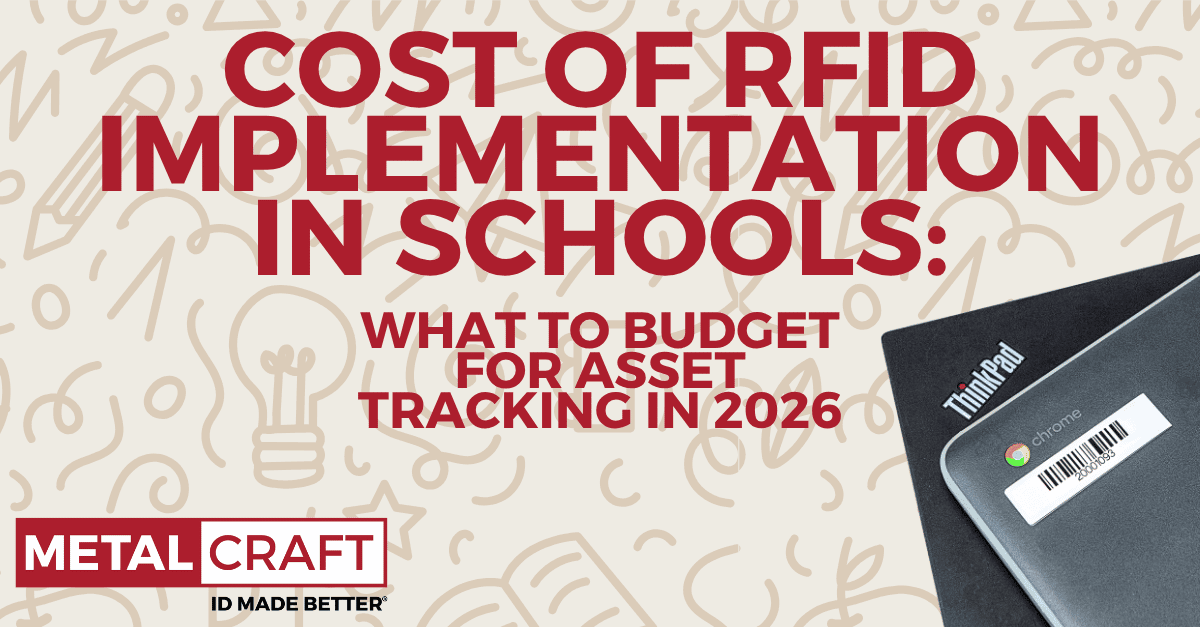
Schools and universities manage thousands of valuable assets every day, from laptops and tablets to lab equipment, projectors, library resources, and student ID cards. As educational institutions continue expanding one-to-one device programs and digital learning initiatives, keeping track of these assets has become increasingly difficult.
Many schools still rely on spreadsheets, barcode systems, or manual inventory processes that consume staff time and leave room for errors. Missing devices, delayed audits, misplaced equipment, and inefficient check in procedures can create unnecessary costs and operational frustration. For schools operating under tight budgets, even a small percentage of lost assets can represent a major financial burden.
That’s why more schools are turning to RFID technology for automated asset tracking and improved asset management. A radio frequency identification system gives schools the ability to quickly scan, identify, and track equipment across classrooms, libraries, labs, and storage areas without relying on manual data entry.
Still, one question comes up repeatedly during the planning process: what is the real cost of RFID implementation in schools?
The answer depends on various factors, including the number of assets, the type of RFID tags installed, the level of automation desired, and the software integration requirements. While RFID implementation costs vary by school size and complexity, the right RFID solution can significantly improve operational efficiency while reducing long-term replacement and labor expenses.
Metalcraft provides durable RFID tags designed for long-term school asset visibility, helping educational institutions build reliable, cost effective tracking systems that support inventory management, audits, and accountability for years to come.
What Does RFID Implementation in Schools Include?
Before evaluating the cost of implementing an RFID attendance system or broader asset tracking solution, it helps to understand the core components involved in a modern RFID system.
RFID Tags for School Assets
RFID tags are attached to assets so they can be identified and tracked using radio frequency identification technology. Schools commonly apply tags to:
- Laptops and Chromebooks
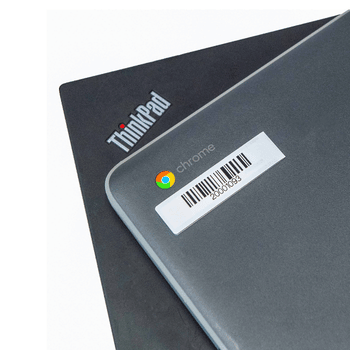
- Tablets and charging carts
- AV equipment and projectors
- Lab and STEM equipment
- Library books and media resources
An RFID chip inside each tag stores identifying data that can be scanned wirelessly by RFID readers. Depending on the use case, schools may choose passive tags or active RFID tags.
Passive tags are the most common option for schools because they are cost effective and require no internal battery. These tags activate when exposed to electromagnetic fields generated by the reader.
Active RFID tags contain their own power source and support longer read ranges, but they typically come with higher RFID tags cost and are more commonly used in large-scale industrial environments.
RFID Readers and Hardware
RFID readers capture data from tagged assets and transfer that information into the RFID software platform.
Common reader options include:
- Handheld RFID readers for mobile audits
- Fixed RFID readers installed at doors or storage areas
- Handheld scanners for spot checks
- Printers and encoding equipment for tag creation
Handheld RFID readers are often the preferred starting point for schools because they allow staff to simply place a scanner near equipment and rapidly identify assets without line-of-sight scanning.
Fixed RFID readers are typically installed in high-traffic locations where schools want to monitor asset movements automatically.
Asset Tracking Software
RFID software acts as the central management system for inventory management and asset tracking activities.
A radio frequency identification system may include software features such as:
- Asset location visibility
- Audit workflows
- Check in and check out management
- Reporting dashboards
- Maintenance tracking
- Inventory process automation
- Attendance system integration
Schools may also integrate RFID software with existing systems for supply chain management, purchasing, or student records.
Setup and Training
Implementing RFID involves more than hardware installation. Schools must also budget for:
- Asset tagging labor
- System configuration
- Data migration
- Staff training
- Workflow development
- Process rollout
Proper training helps ensure staff adoption and maximizes the value of the RFID investment.

Cost Ranges for Different School Sizes
The cost of implementing RFID varies significantly depending on the size and complexity of the organization.
Small Schools or Single Campuses
Smaller schools often begin with handheld RFID readers and focus on high-value assets first.
Typical priorities include:
- Student laptops
- Tablets
- Projectors
- Library inventory
Because these schools manage fewer assets, they generally require fewer readers, fewer tags, and simpler software configurations.
A handheld-only RFID attendance system or asset tracking solution may provide sufficient functionality without requiring expensive infrastructure.
Mid-Size Districts
Mid-size districts usually require broader inventory management capabilities.
These organizations often manage:
- Multiple buildings
- Shared device programs
- Larger inventories
- Centralized IT departments
As the number of assets grows, software integration and reporting requirements become more important.
Districts may also implement RFID attendance systems to improve student attendance visibility and reduce manual tracking.
Large Universities and Multi-Campus Systems
Large universities often require more advanced RFID solutions.
These organizations may need:
- Fixed RFID readers
- Department-level workflows
- Complex software integration
- Multiple inventory processes
- Large-scale asset management
Universities may also integrate RFID technology into library systems, lab tracking, maintenance operations, and campus-wide attendance systems.
Phased Rollout to Reduce Upfront Costs
One of the most effective ways to reduce the cost of RFID implementation in schools is to deploy the system in phases.
Many schools begin by tracking:
- Laptops
- Tablets
- AV equipment
- High-loss assets
Once the initial system demonstrates value, schools can expand the RFID solution over time.
This phased approach helps reduce upfront investment while allowing staff to refine workflows gradually.
What Drives RFID Costs Up or Down?
Several various factors directly affect RFID implementation costs.
Number of Assets Being Tagged
The more assets a school tracks, the more RFID tags are required.
However, larger tag orders often reduce per-unit price, helping schools achieve better economies of scale.
Asset Type and Surface Material
Different assets require different tag designs.
Metal surfaces, curved equipment, and outdoor assets may require specialty RFID tags that cost more than standard labels.
Choosing the correct tag for the environment is critical for long-term scan reliability.
Durability Requirements
Assets used outdoors or in maintenance departments may require rugged RFID tags designed to resist moisture, chemicals, abrasion, or weather exposure.
More durable tags typically increase initial RFID costs but reduce replacement expenses over time.
Desired Level of Automation
A basic handheld audit system costs less than a fully automated solution with fixed readers and real-time monitoring.
Schools must decide whether they need:
- Periodic inventory audits
- Automated check in workflows
- Real-time tracking
- Continuous asset visibility
Higher automation levels generally require greater investment.
Existing System Integration
Integrating RFID software with existing school systems can also affect the cost of implementing.
Schools may integrate RFID data with:
- Student information systems
- Maintenance systems
- Purchasing platforms
- Inventory software
More complex integration projects often require additional development and training resources.
Is RFID Worth the Cost for Schools?
While schools naturally focus on upfront expenses, RFID technology often delivers substantial long-term value.
Reduced Asset Loss and Theft
RFID attendance and asset tracking systems improve accountability for student-issued devices and shared equipment.
Schools can quickly identify missing assets, monitor movement, and reduce theft opportunities.
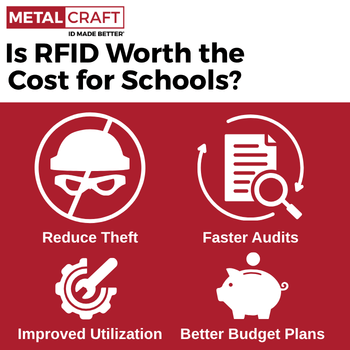
Faster Annual Audits
Manual inventory audits consume significant staff time.
With RFID readers, schools can scan hundreds of tagged assets within minutes instead of manually checking serial numbers one by one.
This improved operational efficiency can dramatically reduce labor costs.
Improved Utilization
RFID helps schools understand what equipment is available, where it is located, and how frequently it is used.
This visibility supports better resource allocation and reduces unnecessary purchases.
Better Budget Planning
When schools have accurate inventory data, they can make smarter purchasing decisions and extend equipment lifespan through better oversight.
Schools using structured asset tracking reduce time spent locating equipment and lower unnecessary replacement spending.
Over time, these benefits often offset the original RFID investment.
How to Keep RFID Implementation Affordable
Schools can take several steps to control RFID implementation costs while maximizing system value.
Start With High-Value Assets
Many schools begin by tracking their most expensive or frequently misplaced equipment.
Common starting points include:
- Laptops
- Tablets
- Projectors
- AV carts
- STEM equipment
This targeted approach creates faster ROI.
Choose Durable Tags That Last
Low-cost tags may fail prematurely in high-use environments.
Durable RFID tags help schools avoid ongoing replacement expenses and maintain reliable performance over time.
Pilot Before Full Deployment
Pilot programs allow schools to test workflows, evaluate scan performance, and identify process improvements before scaling the system organization-wide.
Pilots also help build internal support among staff and administrators.
Work With an Experienced RFID Partner
Choosing experienced vendors reduces the risk of poor tag performance, incompatible equipment, or failed deployments.
Metalcraft emphasizes that the tag is foundational to system performance. Proper tag selection directly affects durability, scan reliability, and long-term ROI.
Why Metalcraft for School RFID Asset Tracking
Metalcraft provides durable RFID solutions designed for high-use educational environments.
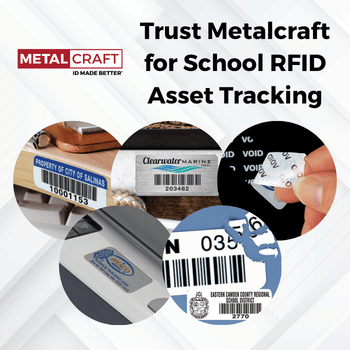
Schools benefit from:
- Durable RFID tags built for long-term use
- Reliable performance across multiple surfaces
- Strong adhesives for school-issued devices
- Tamper-resistant options
- Tags designed for laptops, carts, lab equipment, and AV assets
- Expertise in asset tracking for educational institutions
Because educational environments involve constant handling, movement, and inventory activity, selecting the right RFID tag is critical to long-term success.
Metalcraft helps schools identify the best RFID solution for their equipment, workflows, and budget requirements.
How to Plan Your School’s RFID Budget
Audit Your Current Assets
Start by identifying which assets create the greatest operational challenges or replacement costs.
This helps prioritize implementation efforts.
Set Clear Goals
Schools should determine whether the primary goal is:
- Loss prevention
- Faster audits
- Better utilization
- Attendance tracking
- Inventory management
Clear goals guide better system decisions.
Prioritize Ease of Use
Even the best RFID system depends on staff adoption.
Simple workflows and effective training improve long-term success.
Build a Phased Implementation Plan
Phased deployments help schools spread costs over time while reducing disruption.
Many organizations begin with one department or asset category before expanding.
RFID Can Be Cost-Effective for Schools With the Right Plan
RFID implementation in schools does not have to be overwhelming or prohibitively expensive.
When schools focus on high-value assets, choose durable RFID tags, and roll out strategically, RFID technology can quickly pay for itself through lower losses, faster audits, improved operational efficiency, and better asset visibility.
The key is choosing a radio frequency identification system built for long-term performance rather than short-term savings.
With the right RFID software, reliable readers, durable tags, and a practical implementation strategy, schools can create a smarter and more efficient approach to asset management and attendance tracking.
Build a Smarter School Asset Tracking System
If your school is evaluating RFID for laptops, tablets, AV equipment, library resources, or lab tools, now is the time to build a plan that fits your budget and operational goals.
Metalcraft offers durable RFID tags and asset tracking expertise designed to help educational institutions improve visibility, reduce losses, and streamline inventory management for the long term.
About the Author: John Fitzsimmons

Mobile Phone: 641-423-9460
Office Phone: 641-423-9460
Email: [email protected]
Office: 3360 9th St SW