
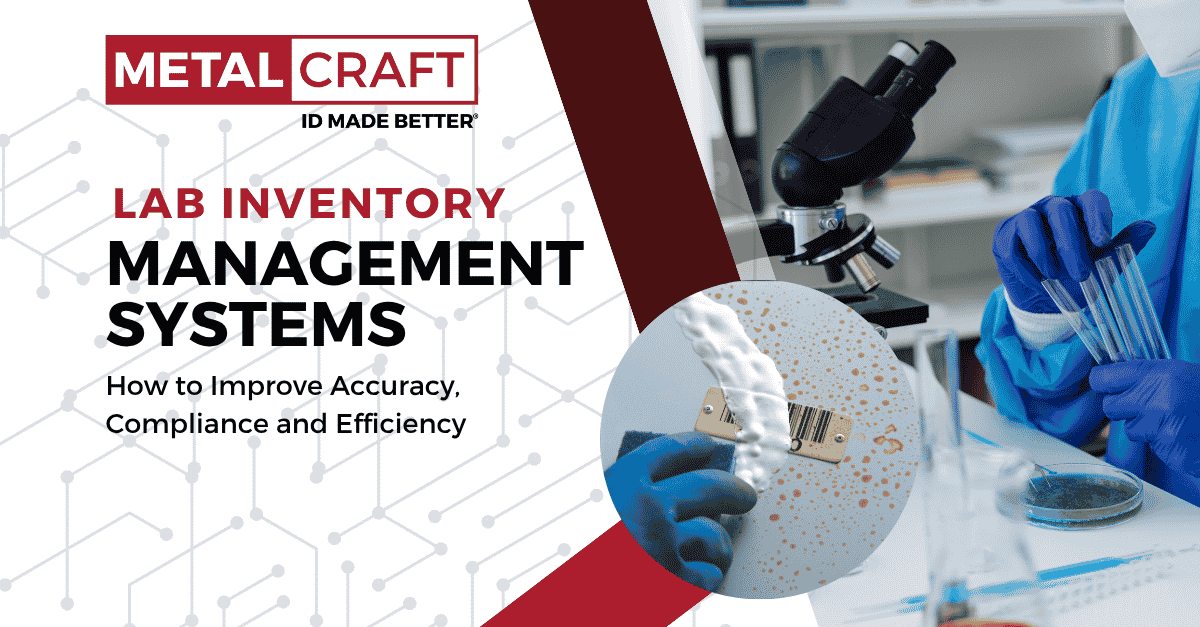
Modern laboratories manage thousands of inventory items across multiple storage locations, departments, and workflows. From chemicals and samples to lab supplies and testing materials, maintaining accurate inventory data is critical for operational efficiency, compliance, and productivity. Yet many labs still rely on spreadsheets, manual data entry, or disconnected tools like Google Sheets and Excel to manage inventory, creating risks for errors, duplicate orders, expired materials, and wasted resources.
A modern lab inventory management system helps labs track supplies, organize sample management workflows, monitor expiration date requirements, and improve visibility across the entire facility. These systems combine management software, standardized processes, barcode labels, RFID technology, and automated notifications to streamline inventory management while reducing manual work.
For lab managers, the goal is simple: maintain accurate inventory levels, improve efficiency, reduce costs, and keep experiments and testing workflows moving without delays. But software alone is not enough. Durable labeling solutions play a major role in keeping inventory trackable in demanding lab environments where chemicals, cold storage, and repeated handling can damage standard labels.
Metalcraft helps laboratories improve lab inventory management with durable barcode and RFID labels designed for long-term readability, reliable scanning, and demanding lab conditions.
What Is a Lab Inventory Management System?
A lab inventory management system is a centralized platform used to manage inventory, track materials, and organize laboratory workflows. It provides visibility into lab inventory across multiple storage rooms, facilities, and storage locations while helping lab members monitor inventory usage, expiration dates, and stock levels.
An effective management system allows labs to stay organized, reduce waste, and improve compliance with industry regulations and internal processes.
Core Definition and Purpose
The primary purpose of a lab inventory management system is to track inventory items and improve visibility into laboratory operations. This includes managing:
- Lab supplies
- Chemicals
- Samples
- Equipment
- Consumables
- Testing materials
These systems help lab managers monitor quantity levels, organize categories, create reports, and improve inventory management across the entire lab.
Key Components of a Lab Inventory System
Most lab inventory management platforms include several core components:
- Inventory management software
- Barcode labels or RFID labels
- Automated notifications and alerts
- User workflows and permissions
- Search and reporting tools
- Integration with ELN entries and lab management systems
Together, these features improve productivity and simplify daily inventory processes.
Common Types of Lab Inventory Managed
Labs manage a wide range of materials and supplies that require ongoing tracking and monitoring.
Common examples include:
- Reagents and chemicals
- Biological samples and specimens
- Laboratory equipment
- PPE and consumables
- Testing kits
- Research materials
Whether supporting a small lab or a large research facility, maintaining accurate inventory data is essential for operational success.
Why Lab Inventory Management Systems Matter
As laboratory operations become more complex, labs need more than spreadsheets and manual tracking methods to manage inventory effectively.
Prevent Stockouts and Delays
Poor inventory management often leads to stock shortages, duplicate orders, and workflow interruptions. When lab supplies are unavailable during critical experiments or testing, productivity suffers.
A lab inventory management system helps labs maintain accurate stock levels and automate order requests before inventory reaches critical levels.
This allows lab managers to:
- Track inventory in real time
- Prevent delays
- Improve ordering accuracy
- Reduce wasted time searching for supplies
Improve Compliance and Traceability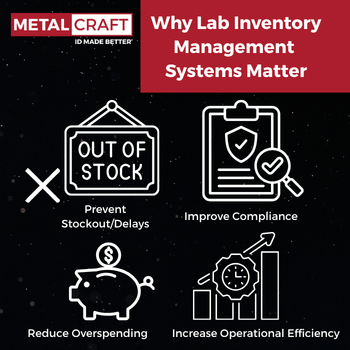
Compliance is a major concern for many labs, especially in healthcare, life sciences, and regulated testing environments.
Inventory management systems help labs:
- Track expiration date information
- Monitor lot numbers
- Create reports for audits
- Maintain traceability across samples and materials
Automated data tracking improves accountability while reducing compliance risks.
Reduce Waste and Overspending
Expired materials, over-ordering, and inaccurate manual records increase operational costs. Many labs lose money because inventory usage is not monitored effectively.
A centralized inventory management platform helps organizations:
- Reduce expired materials
- Optimize ordering
- Prevent duplicate orders
- Improve resource usage
- Control inventory costs
Better visibility leads to more efficient inventory processes and stronger cost control.
Increase Operational Efficiency
Manual data entry and spreadsheet tracking consume valuable employee time and often create errors.
Replacing spreadsheets with inventory management software improves efficiency by automating workflows, reducing manual counts, and providing easy access to real-time inventory data.
This allows lab members to focus more on experiments, testing, and scientific work instead of administrative tasks.
Key Features of an Effective Lab Inventory Management System
The best lab inventory management systems combine automation, visibility, and reporting features to support daily lab operations.
Real-Time Inventory Visibility
Real-time inventory tracking allows lab managers to monitor inventory quantity, stock levels, and storage location data instantly.
This visibility improves productivity and helps teams manage inventory more efficiently across multiple storage rooms and facilities.
Barcode and RFID Scanning
Barcode labels and RFID scanning reduce manual data entry while improving inventory accuracy.
Scanning tools help labs:
- Update inventory faster
- Reduce human error
- Improve traceability
- Simplify inventory counts
- Increase productivity
RFID technology can also improve sample management and high-value inventory tracking.
Expiration and Reorder Alerts
Automated notifications help labs prevent stock shortages and expired inventory.
Alerts may include:
- Expiration date reminders
- Low stock notifications
- Reorder requests
- Compliance warnings
These proactive features help reduce waste while supporting efficient inventory management.
Audit Trails and Reporting
Comprehensive reports and audit trails help organizations maintain compliance and improve accountability.
Inventory management software can create reports showing:
- Inventory usage
- Order history
- Expiration tracking
- Employee access
- Inventory movement
These reports provide actionable data that supports better decision-making.
Multi-Location and Multi-User Support
Modern labs often operate across multiple groups, teams, and facilities. Shared access allows employees to search inventory, update data, and manage inventory from different locations.
This improves collaboration while maintaining centralized control.
Integration with LIMS / ELN Systems
Many labs integrate inventory management systems with ELN entries, LIMS platforms, and other lab management tools.
Integration helps centralize workflows, improve data accuracy, and streamline laboratory operations.
Best Practices for Building a Lab Inventory Management System
Successful lab inventory management requires more than software alone. Labs must also establish consistent processes and durable tracking methods.
Start With an Inventory Audit
Before implementing a new system, labs should conduct a full inventory audit.
This helps identify:
- Existing inventory items
- Quantity levels
- Missing materials
- Inventory gaps
- Duplicate records
A baseline inventory creates a strong starting point for future inventory management success.
Standardize Labeling and Naming Conventions
Consistent categories, naming structures, and barcode labels improve inventory organization and search functionality.
Standardization helps lab members quickly identify inventory and reduces confusion across teams.
Choose Durable Labels for Lab Conditions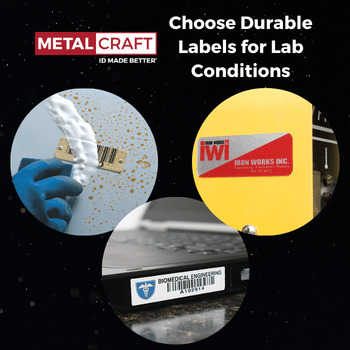
Labs expose labels to chemicals, cold storage, moisture, and repeated handling. Poor-quality labels can fade or fail, disrupting inventory tracking processes.
Durable barcode labels and RFID labels designed for laboratory environments improve long-term readability and scanning reliability.
Automate Alerts and Reorder Points
Automated notifications help labs maintain inventory accuracy while reducing compliance risks.
Labs should automate:
- Reorder requests
- Expiration date alerts
- Low stock notifications
- Inventory thresholds
Automation helps improve efficiency and reduce stock disruptions.
Train Staff and Define Ownership
Inventory systems only work effectively when employees follow consistent processes.
Labs should clearly define ownership responsibilities and train employees on:
- Inventory workflows
- Scanning procedures
- Ordering processes
- Compliance requirements
This improves accountability and long-term adoption.
Review and Optimize Regularly
Lab inventory management is an ongoing process. Regular reviews help labs optimize workflows, improve efficiency, and identify opportunities for better resource management.
Common Challenges Labs Face
Many laboratories encounter recurring inventory management challenges that affect productivity and compliance.
Inaccurate Manual Records
Spreadsheets and manual data entry often create outdated, incomplete, or inaccurate inventory records that make it difficult for labs to maintain visibility into supplies, samples, and materials. Human error during data entry can lead to incorrect stock levels, duplicate orders, misplaced inventory, and wasted materials. In lab environments, relying on disconnected spreadsheets also slows inventory updates and increases the risk of compliance issues or missed expiration dates. Without real-time inventory visibility, lab managers may struggle to track usage, monitor ordering needs, or maintain accurate records across multiple storage locations. Modern inventory management systems help reduce these risks through automation and centralized tracking.
Damaged or Unreadable Labels
Poor label durability can disrupt inventory tracking, create scanning problems, and reduce visibility into critical lab inventory. Labels exposed to chemicals, moisture, cold storage, abrasion, or repeated handling may fade, peel, or become unreadable over time. When barcode labels fail, lab staff may struggle to identify inventory items accurately, increasing the risk of manual errors, misplaced materials, and delayed workflows. Damaged labels can also slow audits and create compliance concerns if inventory data cannot be verified quickly. Durable barcode labels designed for laboratory environments improve scanning reliability, maintain readability, and reduce relabeling costs over time while supporting more efficient inventory management processes.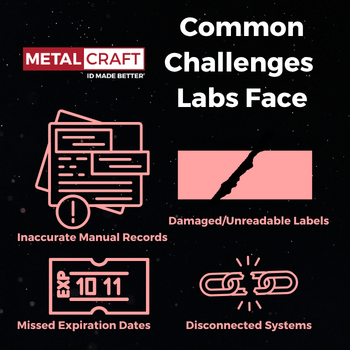
Missed Expiration Dates
Without automated alerts and tracking workflows, labs may overlook important expiration date requirements and unknowingly store expired materials in inventory. This can lead to wasted supplies, inaccurate testing results, compliance risks, and unnecessary replacement costs. Manual inventory processes often make it difficult for lab managers to monitor expiration dates consistently across multiple storage locations and inventory categories. Inventory management systems help labs proactively track expiration dates through automated notifications, reporting tools, and real-time inventory visibility. These systems reduce waste, improve compliance, and help ensure that lab supplies, chemicals, and samples remain usable and properly managed throughout their lifecycle.
Disconnected Systems
Labs using separate spreadsheets, disconnected software tools, and multiple storage systems often struggle with fragmented data and limited visibility into inventory across the organization. Information stored in different platforms can make it difficult for lab managers and employees to track inventory accurately, monitor stock levels, or locate materials quickly. These disconnected processes also increase the risk of duplicate records, manual errors, delayed updates, and inefficient workflows. Centralized inventory management software helps labs improve access to real-time data while creating a single source of truth for inventory tracking. Improved visibility across teams, storage locations, and workflows supports better operational efficiency, stronger collaboration, and more accurate inventory management.
Why Durable Labels Are Critical to Lab Inventory Success
Even the best software platform depends on reliable physical labeling to maintain accurate inventory tracking.
Chemical-Resistant Barcode Labels
RFID Labels for High-Value Inventory
RFID labels improve traceability, scanning speed, and inventory visibility for high-value materials, laboratory equipment, and critical inventory items. Unlike traditional barcode systems, RFID technology does not require direct line-of-sight scanning, allowing labs to track inventory more efficiently across storage rooms and facilities. RFID labels support faster inventory counts, improved inventory accuracy, and real-time visibility into inventory location and usage. This technology also helps reduce manual scanning time, improve operational efficiency, minimize misplaced inventory, and streamline inventory management processes for busy laboratory environments.
Long-Lasting Adhesion and Readability
Strong adhesives and durable label materials help laboratories reduce relabeling, scanning issues, and inventory tracking interruptions in demanding environments. Labels exposed to chemicals, moisture, cold storage, abrasion, and repeated handling can quickly fail if they are not designed for laboratory conditions. Peeling, fading, or damaged labels make it difficult to identify inventory accurately and can disrupt inventory management workflows. Reliable barcode and RFID labels maintain readability and adhesion over time, helping labs improve inventory accuracy, streamline scanning processes, support compliance efforts, and reduce the time and costs associated with replacing damaged labels.
Custom Label Solutions for Labs
Different labs operate with unique workflows, storage conditions, inventory categories, and compliance requirements that standard labeling solutions may not fully support. Laboratories managing chemicals, biological samples, laboratory equipment, or cold-storage materials often require specialized labels designed for specific environments and applications. Custom barcode labels and RFID labels can be tailored to match storage rooms, inventory systems, scanning requirements, and facility workflows. Customized labeling solutions help labs improve inventory organization, maintain compliance, streamline tracking processes, and ensure reliable scanning performance across a wide range of laboratory inventory management applications.
Why Metalcraft for Lab Inventory Labeling Solutions
Metalcraft provides durable barcode labels and RFID labels designed specifically for demanding laboratory environments.
Metalcraft solutions help labs:
- Improve lab inventory management
- Reduce scanning failures
- Improve compliance and traceability
- Support sample management workflows
- Increase operational efficiency
- Improve inventory visibility
With durable materials, strong adhesives, and trusted expertise in inventory labeling, Metalcraft helps laboratories build more reliable inventory management systems.
How to Choose the Right Lab Inventory Management System
Selecting the right management software depends on the complexity and needs of the lab.
Assess Lab Size and Complexity
Labs should evaluate:
- Team size
- Inventory volume
- Compliance requirements
- Sample quantity
- Facility size
A small lab may require fewer features than a large multi-location facility.
Prioritize Required Features
Focus on the features most important to your workflows, including:
- Notifications
- Reporting tools
- Barcode scanning
- RFID support
- Integration capabilities
- Search functionality
Plan for Scalability
Choose a platform that can grow with future workflows, expanding inventory needs, and increasing data requirements.
Don’t Overlook Label Durability
Even the best software system fails if labels become unreadable or damaged.
Durable barcode labels and RFID labels help ensure physical inventory remains trackable long-term.
Strong Lab Inventory Management Starts With Visibility
An effective lab inventory management system improves accuracy, reduces waste, supports compliance, and keeps laboratory operations running efficiently.
But software alone is not enough. Durable labels, standardized processes, and reliable tracking methods are essential for long-term inventory management success.
Labs that invest in the right inventory management software and labeling strategy gain better control, less downtime, improved productivity, and stronger operational confidence.
Improve Your Lab Inventory Management System Today
If your lab still relies on spreadsheets, faded labels, or inconsistent inventory processes, now is the time to modernize.
Ready to build a more accurate and efficient lab inventory system?
Contact Metalcraft to explore durable barcode labels and RFID labels built specifically for laboratory environments.
About the Author: John Fitzsimmons

Mobile Phone: 641-423-9460
Office Phone: 641-423-9460
Email: [email protected]
Office: 3360 9th St SW