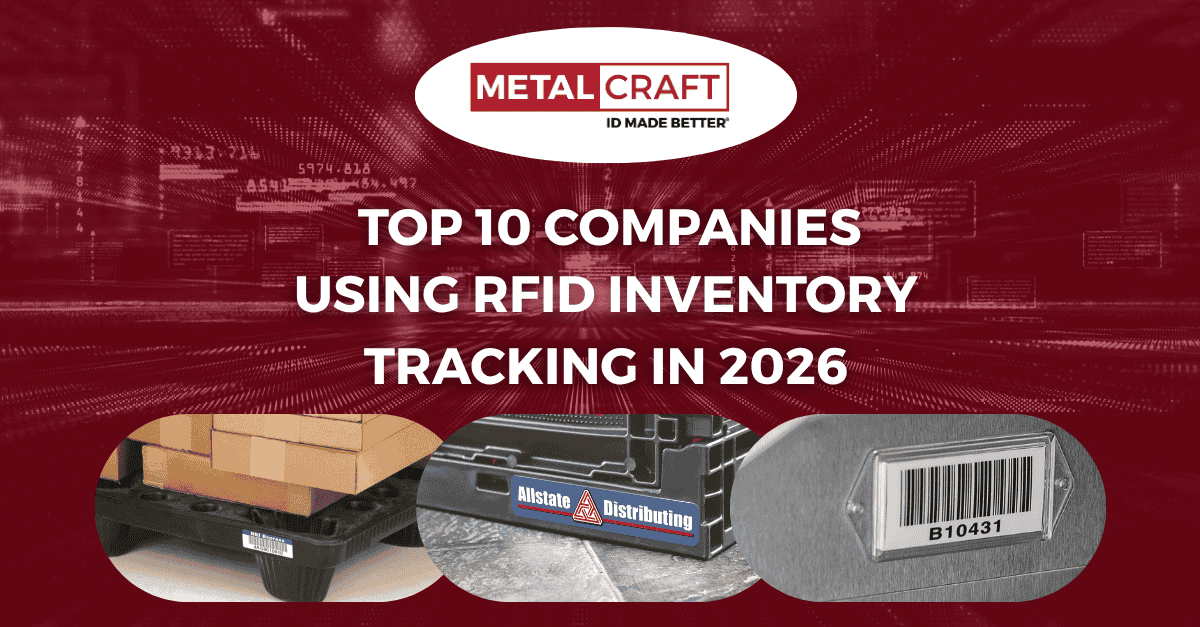
RFID adoption is accelerating rapidly in 2026 as global enterprises face mounting pressure from labor shortages, supply chain volatility, and the growing demand for real-time data. Traditional inventory tracking methods like manual barcode scanning and line-of-sight scanning can no longer keep up with modern warehouse operations and retail environments. As a result, companies using RFID inventory tracking are achieving 99%+ inventory accuracy while reducing labor costs and eliminating operational inefficiencies.
Unlike barcode scanning, RFID technology uses radio frequency identification to automatically identify and capture data from multiple tags simultaneously—without direct visibility. This enables real-time visibility, better data quality, and more efficient inventory management systems across complex supply chains.
Leading organizations are deploying advanced RFID systems, combining RFID hardware such as RFID readers, passive RFID tags, and UHF RFID tags with software platforms that integrate RFID into existing systems. Metalcraft supports this transformation by providing durable RFID tags engineered for industrial environments, including on-metal applications and harsh conditions.
Below are ten industry-leading companies using RFID inventory tracking to transform operations.
1. Walmart
RFID at Item-Level Scale
Walmart has been a pioneer in RFID implementation, mandating suppliers to use RFID tags at the item level. This enables real-time inventory visibility across stores and distribution centers, allowing the company to track inventory with exceptional accuracy.
Operational Impact
With RFID-enabled systems, Walmart has significantly reduced out-of-stock incidents, improved inventory accuracy, and increased on-shelf availability. Faster replenishment cycles help manage inventory efficiently while reducing stock discrepancies.
2. Amazon
Warehouse-Level RFID Automation
Amazon integrates RFID technology with robotics in high-velocity warehouse environments. RFID asset tracking systems support automated tracking of goods moving through fulfillment centers.
Inventory Accuracy at Scale
By reducing manual scanning and human error, Amazon improves fulfillment speed and data capture. RFID systems allow them to read multiple tags simultaneously, streamlining warehouse inventory management.
3. Zara
Retail Apparel Traceability
Zara uses RFID in the retail industry to enable item-level tracking across global retail stores. Passive RFID tags provide real-time inventory visibility, helping staff quickly locate products.
Competitive Advantage
This RFID-enabled approach allows Zara to respond quickly to trends, reduce shrinkage, and improve overall asset utilization in retail environments.
4. Boeing
Manufacturing & Component Tracking
Boeing uses RFID asset tracking for high value assets and critical components in manufacturing. RFID applications include tool tracking and work-in-progress monitoring.
Compliance & Quality Control
Serialized tracking improves traceability and reduces errors, ensuring compliance and improving production data quality across complex assembly operations.
5. Delta Air Lines
RFID for Asset & Baggage Tracking
Delta uses RFID systems to track baggage and returnable assets across its global network. RFID tags transmit data in real time, improving ground operations efficiency.
Operational Improvements
The airline has reduced lost baggage rates and improved turnaround times, demonstrating key benefits of RFID in high-volume tracking systems.
6. Ford Motor Company
Work-in-Progress Tracking
Ford leverages RFID technology to track inventory throughout the production process. RFID asset tracking systems provide real-time data on vehicle components.
Inventory Control Benefits
This improves parts availability, reduces downtime, and enhances operational efficiency across manufacturing facilities.
7. Pfizer
Pharmaceutical Supply Chain Monitoring
Pfizer uses RFID solutions for serialized product tracking and cold-chain monitoring. RFID data ensures product integrity throughout the supply chain.
Regulatory & Compliance Advantages
Improved traceability reduces counterfeiting risks and supports regulatory compliance while enhancing asset management.
8. Target
Store-Level Inventory Accuracy
Target uses RFID systems to support omnichannel fulfillment and improve inventory visibility in retail stores. RFID-enabled replenishment helps manage inventory more efficiently.
9. Siemens
Industrial Asset Tracking
Siemens integrates RFID into manufacturing automation systems for asset tracking and lifecycle management. These RFID applications improve asset utilization and system records accuracy.
10. Home Depot
Large-Format Retail Optimization
Home Depot uses RFID technology to track inventory across high-SKU retail environments. This reduces shrinkage, improves inventory accuracy, and minimizes misplaced items in large warehouse-style stores.
What These Companies Have in Common
1. Durable RFID Tags Built for the Environment
Successful RFID implementation depends on selecting the right RFID hardware. These companies rely on passive RFID tags designed for durability, including on-metal compatibility and harsh-environment resilience. Industrial-grade RFID tags ensure consistent performance where consumer-grade options fail.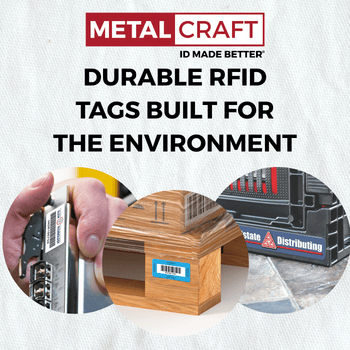
2. ERP & WMS Integration
A key factor in RFID success is the ability to integrate RFID with existing systems. Seamless data flow between RFID readers, warehouse inventory management software, and ERP systems enables real-time dashboards and better decision-making.
3. Scalable Deployment Strategy
Most organizations begin with a pilot program to validate ROI before scaling. High-volume tag production, vendor support, and cost effective deployment strategies are critical for expanding RFID systems across multiple facilities.
How Mid-Market Companies Can Apply These Lessons
Do you need to be a retail giant to benefit from RFID technology? Not at all. Organizations of all sizes and across every industry can realize the benefits of RFID—from improved inventory accuracy to reduced labor costs—when it’s implemented strategically and correctly.
Start With High-Impact Use Cases
Mid-sized organizations can begin using RFID for targeted applications such as tool tracking, work-in-progress visibility, and tracking high value assets. These use cases deliver quick wins and measurable cost savings.
Choose Industrial-Grade RFID Labels
Avoid the limitations of consumer-grade RFID by choosing industrial passive RFID tags designed for demanding environments. High-quality passive RFID labels deliver reliable performance for automated tracking, enabling accurate inventory tracking, improved data capture, and long-term durability in warehouse and industrial settings.
Validate ROI Before Scaling
Before committing to full-scale RFID adoption, companies should run pilot programs to measure inventory accuracy, reduced labor costs, and improvements in warehouse operations. This helps justify the initial investment and upfront investment required for RFID implementation.
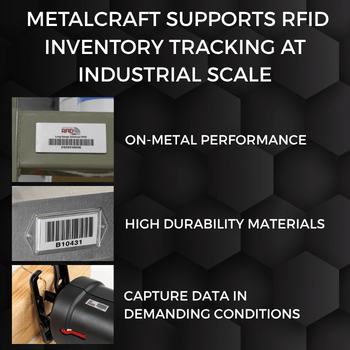
Why Metalcraft Supports RFID Inventory Tracking at Industrial Scale
Metalcraft provides RFID solutions designed specifically for industrial applications where durability and performance matter most. Their RFID labels are engineered for harsh environments, offering on-metal RFID performance, high durability materials, and the ability to capture data reliably in demanding conditions. With scalable production capacity and deep expertise in RFID technology, Metalcraft helps organizations implement cost effective RFID asset tracking systems that improve inventory management, reduce manual errors, and enhance operational efficiency.
Contact Metalcraft today to design a custom RFID inventory tracking solution tailored to your operation.
About the Author: John Fitzsimmons

Mobile Phone: 641-423-9460
Office Phone: 641-423-9460
Email: [email protected]
Office: 3360 9th St SW