

RFID Labels – Polymer
Features
- Ideal for asset tracking using passive RFID technology on non-metal surfaces
- Made of flexible polyester material
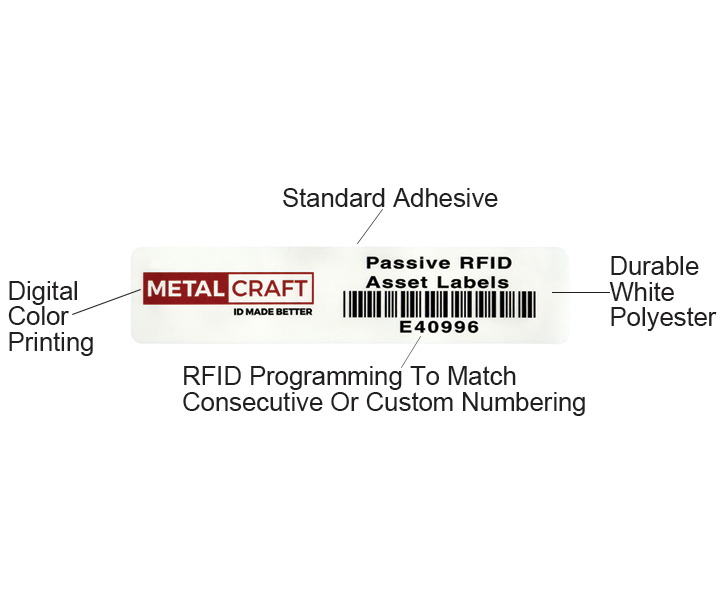
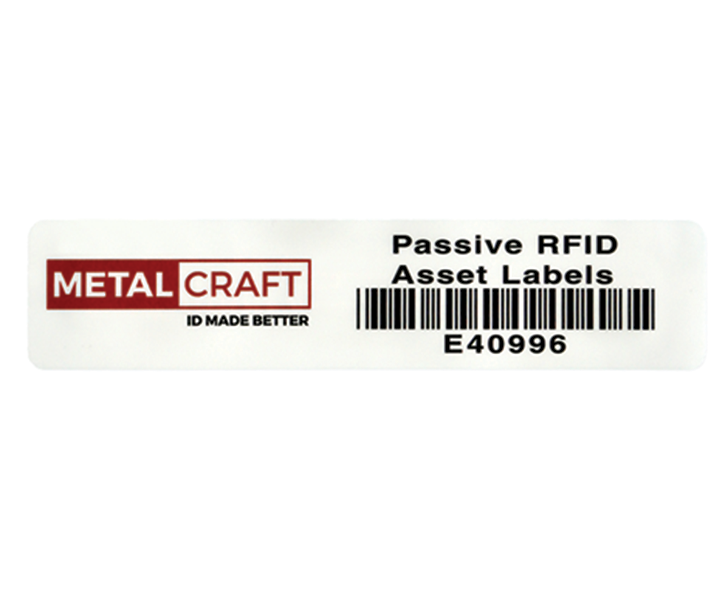
- Digital printing process provides for greater print capability with detailed logos or special designs
- Read range 18 to 20ft* mounted to non-metal surface
- Meets EPCglobal Gen2 (V 1.2.0) as well as ISO/IEC 18000-6C:2004 / Amd 1:2006 (type C and update of Types A and B).
- Compatible with RFID Tracking Software
- Now available with ColorFast™ option to extend outdoor life to 10 years!
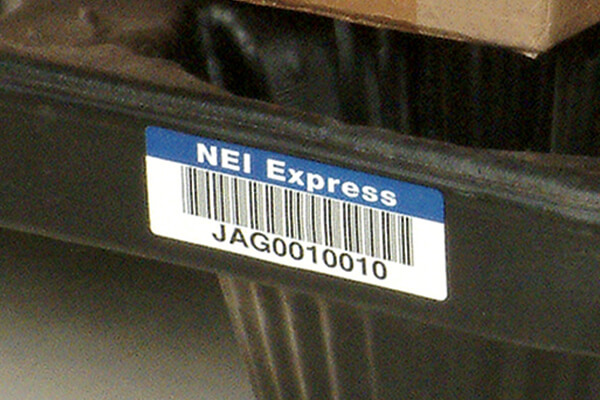
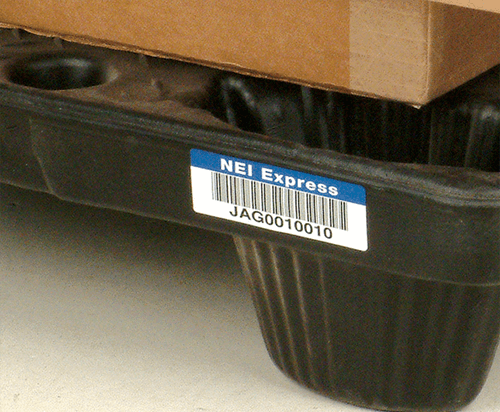
Metalcraft’s Standard RFID labels are ideal for tracking returnable containers such as pallets, crates, and totes. Each RFID label attaches securely to non-metal assets, enhancing asset tracking and inventory management accuracy while reducing errors common with traditional barcodes. The durable construction seals the inlay and RFID chip, ensuring longevity in rugged environments and consistent readability.
With subsurface digital printing, businesses can integrate barcodes, human-readable numbers, and logos with exceptional quality. Unlike traditional barcodes, RFID labels provide faster data transfer rates, efficient data capture, and real time insights into stock, equipment, and store merchandise.
By combining durability, sustainable materials, and compatibility with RFID readers and RFID printers, these smart labels maximize ROI while improving operational efficiency. Perfect for retail, healthcare, logistics, and manufacturing, Metalcraft’s RFID tags deliver proven benefits in monitoring assets, enhancing operations, and ensuring the right RFID label complements your business needs.
Ask about our 7 Day Rush Program for these tags. Preprinted, preprogrammed RFID tags in just 7 days!
Related Products
FAQs
An RFID label is a specialized label with an embedded RFID chip and antenna that enables wireless tracking using RFID technology. Unlike traditional barcodes, which require line-of-sight, RFID labels provide efficient data capture, faster data transfer rates, and real time insights into stock and assets.
RFID labels are used across multiple industries to improve inventory management and reduce costly errors. In retail, they track store merchandise and ensure accurate stock levels. In logistics and manufacturing, they streamline supply chain processes, monitor raw materials, and track finished goods to improve operational efficiency. In healthcare, RFID labels help track medical equipment, manage pharmaceuticals, and enhance patient safety by ensuring the right supplies and medications are available when needed. Across all sectors, businesses rely on RFID labels to strengthen operations, support compliance, and deliver the full benefits of modern RFID technology.
RFID labels use radio frequency signals to communicate with RFID readers, enabling automatic identification and real-time tracking of assets. Unlike barcodes, they do not require line of sight for scanning, which means multiple items can be read simultaneously, even when concealed in packaging or stacked in storage. The embedded chip within each label transmits stored data instantly, allowing businesses to monitor assets, reduce errors, and improve accuracy across inventory management, logistics, and operations. This seamless data flow makes RFID labels a vital tool for enhancing operational efficiency and delivering reliable visibility across industries.
Choose an RFID label when you need a cost-effective, flexible solution for non-metal surfaces like packaging, cartons, or store merchandise. Hard RFID tags are better for rugged operations on metal surfaces or returnable containers. Selecting the right RFID label helps reduce errors while supporting sustainable business practices.
While RFID labels can deter theft by enabling better tracking and real time insights into stock, they don’t physically stop shoplifting. Instead, they reduce errors in store inventory management and improve visibility, making it easier for retail businesses to detect losses and improve operational efficiency.
The benefits of RFID labels include fewer scanning errors, longer durability, and faster data transfer rates compared to barcodes. RFID does not require line-of-sight and allows for bulk tracking, providing smart labels that improve processes, support sustainable operations, and deliver stronger ROI for your business.