
Every organization—whether a school, hospital, manufacturer, IT department, or growing business—depends on physical assets to operate. Computers, laptops, medical equipment, tools, furniture, networking hardware, and even smaller devices represent value that must be tracked and maintained throughout their entire lifecycle. Without a reliable way to identify, locate, and manage these assets, companies risk missing equipment, inaccurate accounting, compliance issues, gaps in routine maintenance, and unnecessary replacement costs.
This is why the asset tag number exists. These simple identifiers are crucial for audits, reporting, and maintenance, ensuring that every item can be tracked, serviced, and documented accurately. In modern asset tracking systems, the asset tag number is the link between physical equipment and digital records—giving organizations full visibility, improved security, and long-term control.
What Is an Asset Tag Number?
An asset tag number is a unique identifier assigned to an item so it can be tracked throughout its lifecycle. You’ll often see this number printed on a label, sticker, or durable tag applied directly to the equipment. It functions similarly to a serial number, but unlike serial numbers assigned by manufacturers, asset tag numbers are created by the organization itself.
Asset tag numbers appear on:
- IT assets like computers, laptops, servers, and networking gear
- Medical equipment in hospitals and clinics
- Tools and machinery in manufacturing
- Furniture and office equipment
- Devices used in field service or research
- PC equipment, monitors, and peripherals
The asset tag number ties each physical item to the correct record in the asset tracking software, ensuring the organization has the necessary information to manage each asset effectively.
Why Asset Tag Numbers Matter
Asset tags do far more than label equipment—they support essential business processes, reduce risk, and ensure compliance across industries. Here are the key reasons they matter.
Accountability and Ownership Tracking
An asset tag assigns clear responsibility. By linking each item to a department, location, or user account, organizations can determine who last used it, where it belongs, or where it was last scanned. This helps reduce theft, loss, and misplacement—especially for high-value IT assets, tools, and medical equipment that must remain secure.
Maintenance History and Lifecycle Data
Asset tag numbers connect equipment to its full maintenance schedules, service history, and warranty information. This improves routine maintenance, helps identify aging hardware, and ensures equipment is serviced consistently across its entire lifecycle.
Whether you’re repairing a computer, calibrating lab equipment, or updating hospital machinery, the asset tag number ensures that maintenance teams can quickly locate the correct asset record and log updates accurately.
Faster Audits and Easier Replacements
During audits, staff can simply scan the barcode, QR code, or RFID tag to confirm asset status. This prevents errors, saves time, and reduces manual data entry. When something needs replacement, the asset tag number provides a clear summary of the asset’s history, condition, and value, helping organizations make smarter purchasing decisions.
Whether for financial accounting, insurance reporting, or compliance, asset tag numbers form a reliable foundation for inventory management.
How Asset Tag Numbers Work in a Tracking System
Asset tag numbers are more than labels—they’re functional identifiers that integrate into a broader asset tracking system.
Database Integration
When an organization creates an asset tag number, it enters that value in the asset tracking software. That record includes:
- Description of the asset
- Serial numbers
- Model and manufacturer
- Department or room
- Assigned user
- Financial information
- Maintenance records
- Equipment locations
- Documentation or related files
This allows staff to automatically update or retrieve data about each asset without confusion.
Barcode / QR / RFID Connections
Most asset tags combine the asset tag number with a barcode, QR code, or RFID tag to enable easy scanning. This reduces manual errors and speeds up every step of the tracking process.
Barcode tags work well for office equipment and PCs.
QR codes can store more data and are popular in industries that need fast mobile scanning.
RFID tags allow scanning without a direct line of sight—ideal for warehouses, hospitals, and environments where equipment moves frequently or may be hard to reach.
Automation and Scanning Workflows
Scanning devices—such as mobile phones, handheld readers, or RFID readers—integrate with the system to:
- Update equipment locations
- Track movement
- Complete audits
- Log maintenance
- Identify missing assets
- Improve security
- Support automation workflows
This automated data collection ensures businesses maintain accurate, up-to-date information across all assets.
Best Practices for Creating an Asset Numbering System
A well-structured numbering system keeps equipment organized across departments, locations, and systems. Here’s how to build one effectively.
Keep It Structured and Scalable
Your numbering format should be flexible enough to accommodate new equipment for years to come. Use consistent lengths, logical grouping, and clear formatting. A scalable system makes future implementation smoother.
Use Prefixes to Identify Departments or Locations
Prefixes help identify:
- Building numbers
- Departments
- Campus locations
- Floors or rooms
- Project categories
For example, “IT-100245” might identify an IT department laptop, while “MED-208310” could represent a piece of medical equipment in a hospital.
Avoid Duplicates Across Systems
A common mistake is reusing numbers across departments or old databases. Each asset must maintain a unique identifier, or tracking errors become unavoidable. Duplicate numbers disrupt audits and make it harder to determine asset history or ownership.
Match Digital and Physical Records
If the number printed on the sticker doesn’t match the data in the system, audits and troubleshooting become difficult. Always ensure the asset tracking software reflects the same number printed on the tag.
Examples of Asset Tag Number Formats
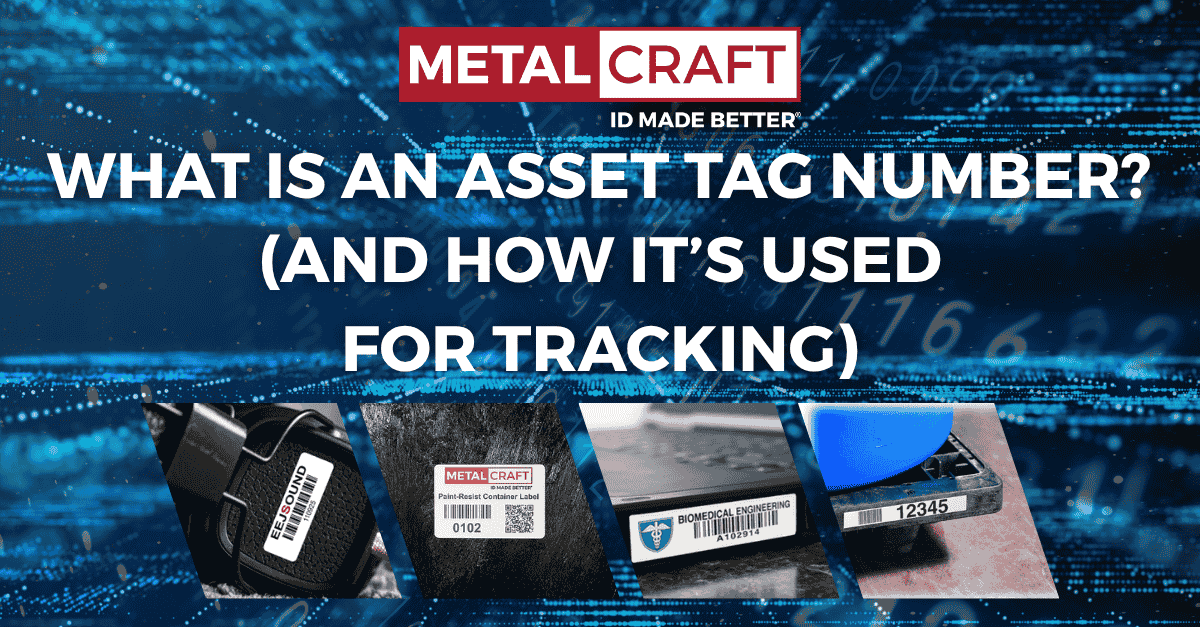
Below are helpful illustrations showing how asset tag numbers may appear on real equipment. These image placeholders can later be replaced with your own label designs or branding.
1. Barcode Asset Tag Example

2. QR Code Asset Tag Example

3. RFID Asset Tag Example

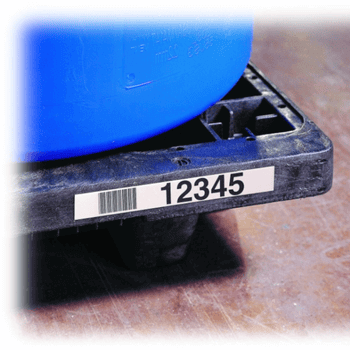
4. Simple Numeric Asset Tag Sticker
Common Mistakes to Avoid
Even well-prepared companies can run into challenges. Avoid the following pitfalls to keep your asset tagging program effective.
Using Non-Unique IDs
A non-unique ID breaks the entire tracking system. If two items share the same number, it becomes impossible to determine which asset is linked to which record. This leads to audit failures and missing equipment.
Bad Naming Conventions
Vague or inconsistent numbering formats (such as random numbers or unlabeled sequences) cause confusion. Good naming conventions help staff quickly locate and identify assets—even if the original user is no longer with the organization.
Not Linking Tags to Software Properly
An asset tag that isn’t tied to a digital record is useless. Some organizations attach physical labels but never complete the process in the software. This disconnect causes missing data, incorrect locations, maintenance issues, and ineffective documentation.
How to Audit and Maintain Your Asset Numbering System
A strong numbering system requires ongoing maintenance and auditing to remain accurate. Here are essential steps.
1. Perform Regular Audits
Conduct scheduled audits—quarterly, annually, or aligned with financial reporting. During an audit, scan each tag and verify its location, condition, and user assignment.
2. Update Records as Equipment Moves
Assets frequently change departments, floors, or buildings. Updating this migration prevents lost equipment and inaccurate accounting records.
3. Review Maintenance Schedules
Use asset tag numbers to verify maintenance schedules and ensure routine maintenance hasn’t been missed—especially important for medical equipment, lab tools, and high-value machinery.
4. Remove or Reassign Retired Assets
When devices reach end-of-life, retire the asset in the system, remove its tag, and update documentation to prevent confusion.
FAQs About Asset Tag Numbers
What is the difference between a serial number and an asset tag number?
A serial number comes from the manufacturer and may not be unique across your organization. An asset tag number is created internally to track the asset within your asset tracking system.
Where can I find the asset tag on my computer?
On most PC and Windows devices, the asset tag is located on the bottom, back, or inside a removable panel. It may appear as a label with a barcode, QR code, or numeric identifier.
Do I need asset tagging for all my equipment?
Most industries benefit from tagging. If you manage computers, laptops, tools, medical devices, or any other business-critical hardware, asset tagging helps prevent loss, reduce risk, and improve inventory management.
How do I create an asset numbering system for my business?
You can create a structured format with prefixes, sequential numbering, and clear conventions. Use asset tracking software to generate the numbers and store related data.
Can software automatically assign asset tag numbers?
Yes. Many tools automatically generate unique identifiers during onboarding of new equipment.
Why is asset tagging important for security?
Asset tagging reduces theft, helps track missing equipment, and ensures businesses maintain visibility across all assets.
Are durable labels necessary?
Absolutely. Durable labels ensure the asset tag survives handling, cleaning, daily use, and the environments where equipment travels.
Final Thoughts
An asset tag number may look simple, but it plays a powerful role in the way businesses, schools, hospitals, and organizations of all sizes manage equipment. From IT assets and computers to medical equipment and tools, asset tag numbers help track location, value, maintenance, and lifecycle data with confidence.
By using structured numbering, reliable labels, and an integrated asset tracking system, companies improve accuracy, streamline audits, and gain complete control over their physical inventory. As technology continues to evolve—whether through barcodes, QR codes, or RFID—asset tagging remains one of the most essential tools for accountability, security, and long-term success.
About the Author: Kathleen Phillips

Mobile Phone: 641-423-9460
Office Phone: 641-423-9460
Email: [email protected]
Office: 3360 9th St SW, Mason City, IA 50401