

Unlocking Security and Efficiency: A Deep Dive into RFID Access Control Systems
Nearly two decades ago, RFID opened the doors—literally and figuratively—to a new era of access control applications. Today, after manufacturing millions of RFID access tags, we are sharing our insights and expertise in our newly released RFID for Access Control Sourcebook: Application Trends and Case Studies. Whether you’re managing a secure facility or a parking garage, understanding RFID access control is key to staying ahead in security and automation.
What is RFID Access Control?
RFID access control is a type of access control system that uses radio frequency identification to identify, authenticate, and grant access to users. Instead of relying on physical keys or PINs, this system uses RFID credentials—such as key fobs, RFID cards, or smart cards—which contain unique data stored on an RFID tag. When a user places their RFID credential near an RFID reader, the system uses wireless communication to verify their access credentials and either grant access or deny access to the user.
These systems are widely used in schools, hospitals, government offices, warehouses, and commercial buildings. By using RFID technology, these systems simplify door access, improve user convenience, and enhance facility security.
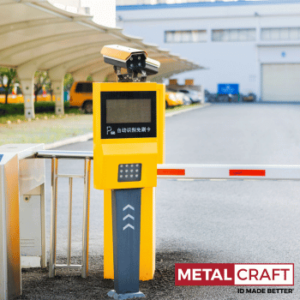
How RFID Access Control Systems Work
An RFID access control system typically includes several components:
- RFID Credentials: These may include RFID access cards, key fobs, or smart cards, each embedded with an RFID tag that stores user data.
- RFID Reader: Devices installed near access points such as entrances or secured doors. The RFID reader emits radio waves to detect and read nearby RFID tags.
- Control Panel: The brain of the access control system. It processes transmitted data and determines whether to grant access or revoke access.
- Lock Systems: RFID locks or other door lock mechanisms that physically secure access points.
- Power Supply: Maintains continuous operation of the system.
- Software Interface: Allows administrators to assign access permission, configure settings, and monitor access events.
When a user presents an RFID credential at the door entry system, the RFID reader sends the credential’s data via electromagnetic field to the control panel. Based on the permissions in the system’s database, the door either unlocks or stays secured.
Benefits of RFID in Access Control
RFID access control systems bring several key benefits to organizations and users alike:
1. Enhanced Security
RFID access control systems offer robust security features. Since RFID tags are encrypted and difficult to replicate, it’s harder for unauthorized users to duplicate credentials. Plus, the system automatically logs every access attempt—successful or not—creating a complete audit trail.
2. Frictionless Entry
Unlike traditional keys or keypad systems, RFID access is touchless and instantaneous. Users simply wave their RFID access card or key fob in front of the RFID reader for quick door access.
3. Scalability
Adding or removing users, updating access credentials, or modifying permissions is straightforward. Whether you’re managing 10 doors or 1000, an RFID access control system scales easily.
4. System Integration
RFID systems can integrate with computer servers, time tracking, visitor management, lighting, HVAC, and more—enhancing efficiency and facility automation.
5. Real-Time Monitoring
Administrators can receive real-time updates and alerts, helping them to identify security issues or unauthorized access attempts quickly.
6. Minimal Infrastructure
RFID systems don’t require significant physical modifications. Existing door entry systems, lock systems, or access points can often be retrofitted with RFID readers and control hardware.
Applications of RFID Access Control
1. Corporate and Commercial Buildings
Employees can use RFID access cards or key fobs to gain entry into secured offices. The system also tracks attendance and entry times.
2. Hospitals and Healthcare Facilities
With RFID door access systems, only authorized medical staff can enter operating rooms, supply areas, or pharmaceutical storage rooms, enhancing patient safety and inventory control.
3. Educational Institutions
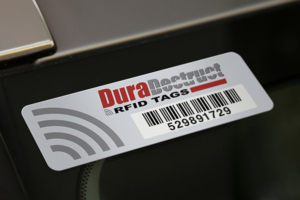
Schools and universities use RFID access systems to secure entry into classrooms, dormitories, and labs. Student RFID cards also serve as IDs and library passes for library cataloging.
4. Parking and Tollways
Many cities deploy RFID access control for parking garages and toll roads. RFID tags affixed to vehicles allow seamless entry and billing—eliminating the need for cash or tickets.
5. Car Wash Loyalty Programs
Car washes use RFID systems for loyalty customers by attaching a unique RFID tag to the car. When detected, the system grants access and bills customers automatically based on their membership plan.
6. Trade Shows and Events
Instead of manually checking badges, event organizers use RFID access to monitor and log attendee movements, which informs data-driven decisions for future planning.
Types of RFID Technology in Access Control
There are various types of RFID technology used in access systems:
Passive RFID Technology
These systems use passive tags, which don’t contain a battery and are activated by the electromagnetic field generated by the RFID reader. They’re cost-effective and ideal for short-range applications.
Active Tags
These contain a battery and can transmit signals over longer distances. Used in high-security zones or where broader read ranges are needed.
Low Frequency RFID
Typically operates around 125kHz and is used for door access control due to its short range and resistance to electromagnetic interference.
NFC Access Control
Near Field Communication (NFC technology) is a subset of RFID that allows smartphones and NFC enabled devices to act as RFID credentials. NFC access control systems offer the added benefit of using digital wallets like Apple Pay for authentication.
Security Considerations in RFID Access Control
While RFID access control systems offer numerous benefits, some vulnerabilities must be addressed:
- Skimming: Without encryption, attackers can capture transmitted data and use it to gain access.
- Electromagnetic Interference: Can cause signal disruption, especially in environments with high electronic noise.
- Security Vulnerabilities: Older systems without encryption are more susceptible to hacking.
- Other Magnetized Devices: Carrying your RFID access card near an other magnetized device can cause signal issues.
To prevent unauthorized RFID access, use encrypted RFID credentials, shielded cards, and secure control panels. Regular audits help ensure your security system is functioning optimally.
Comparison: RFID vs. Traditional Access Control Systems
| Feature | RFID Access Control | Traditional Access Control |
|---|---|---|
| Speed | Fast, contactless | Slower (requires key insertion or typing) |
| Security | Encrypted data, logs access events | Prone to lost or stolen keys |
| Scalability | Easily integrated and scaled | More difficult to scale |
| Maintenance | Minimal | High (key replacements, lock wear) |
| User Experience | Convenient | Cumbersome |
RFID offers superior flexibility, especially in dynamic work environments or organizations with high turnover.

How to Implement an RFID Access Control System
- Assess Security Needs: Determine how many access points you need and what areas require restricted access.
- Choose Credentials: Decide between RFID cards, key fobs, or NFC enabled devices.
- Select Compatible Readers: Make sure the RFID readers work with your chosen credential format (LF, HF, UHF).
- Install Control Panels: Link all RFID readers to centralized control panels.
- Integrate with Other Systems: Sync with your security system, visitor management, or time tracking software.
- Test and Train: Ensure the system works reliably. Train staff on how to use it and what to do if they deny access or need to revoke access.
Tips for Maximizing RFID Access System Efficiency
- Use Secure Protocols: Protect against cloning and hacking.
- Maintain Audit Logs: Store transmitted data securely for compliance and internal reviews.
- Set Expiration Rules: Automatically revoke access for temporary staff or expired credentials.
- Backup Power Supply: Prevent lockout during outages.
- Educate Users: Train staff on best practices—don’t leave physical cards or credentials unattended.
What Sets Modern RFID Door Entry Systems Apart?
Modern RFID door entry systems are more than just locks—they’re part of a connected security system. Today’s RFID door access systems feature mobile credentialing, remote access management, and cloud data storage.
They’re easily integrated into broader security and facility management systems, supporting operations with features like:
- Time-Based Access Permission
- Integration with Fire Alarm Systems
- Real-Time Notifications
- Custom Reporting
- Mobile App Management
The Future of Access Control
As more industries move toward touchless technology, RFID access control systems will evolve alongside advances in wireless communication, mobile integration, and AI-powered security analytics. The integration of NFC systems, smart home tech, and field communication protocols will further automate and protect our workplaces, campuses, and public venues.
Whether it’s a single door or a complex facility with thousands of access points, the right RFID system improves security, reduces manual effort, and delivers peace of mind.
Ready to upgrade your access control system?
Download your free copy of our RFID for Access Control Sourcebook: Application Trends and Case Studies today, or contact us at 800-437-5283 or [email protected].
Metalcraft also offers a full line of metal tags and RFID tags designed to support a wide range of tracking applications.
About the Author: John Fitzsimmons

Mobile Phone: 641-423-9460
Office Phone: 641-423-9460
Email: [email protected]
Office: 3360 9th St SW