
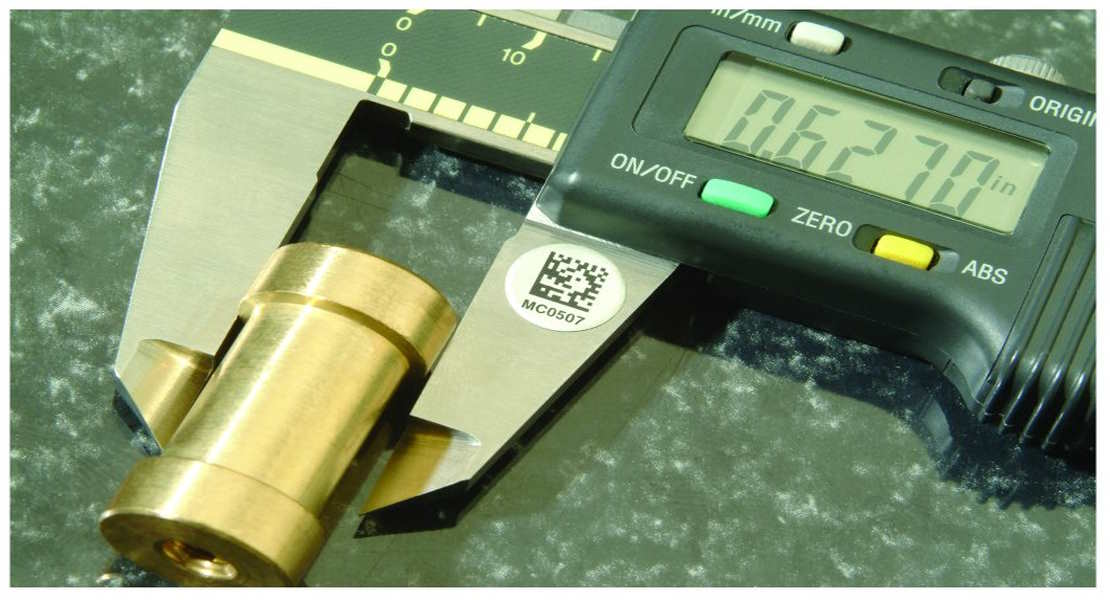
 Unlike their 1D counterparts, 2D barcodes offer significant increases in data capacity and functionality. They have revolutionized inventory management, product tracking, mobile payments, marketing campaigns, and much more. From QR codes and Data Matrix to PDF417 and Aztec, these codes are transforming the way businesses operate across various industries.
How 2D Barcodes Work and Encode Data
A 2D barcode, or two-dimensional barcode, is a graphical representation that encodes data both vertically and horizontally. Unlike one dimensional barcodes that use varying widths of parallel lines, 2D barcodes utilize geometric shapes like square modules, dots, and other patterns to encode data. This structure allows them to store more data in a smaller space, including binary data, alphanumeric characters, URLs, and even images.
A 2D barcode can be easily scanned using imaging scanners or mobile devices equipped with cameras. These tools decode the encoded data quickly and accurately, even if the code is partially damaged. Built-in error correction ensures that the barcode remains scannable under less-than-ideal conditions, boosting operational efficiency.
Types of 2D Barcodes
There are several popular types of 2D barcodes used across different industries:
- QR Codes: Recognizable by their square or rectangular shape and black and white cells, QR codes offer quick response functionality and can store URLs, contact details, and more.
- Data Matrix Codes: These codes are compact and ideal for small items. A Data Matrix barcode uses square modules to encode a large amount of data in a small space and is commonly found on medical devices, circuit boards, and asset tracking applications.
- PDF417: Known as a portable data file, PDF417 codes are ideal for encoding large volumes of text or binary data. Used on airline boarding passes and shipping labels, these barcodes provide both vertical and horizontal encoding.
- Aztec Codes: Featuring a unique square target in the center, Aztec codes are used in transportation systems, mobile ticketing, and are favored for their high-density data encoding.
Benefits of 2D Barcodes
2D barcodes significantly outperform linear barcodes across multiple dimensions, offering enhanced speed, capacity, and flexibility. Their higher data capacity allows them to encode data in two dimensions—storing anything from serial numbers and expiration dates to safety alerts and even URLs—making them ideal for applications that demand more data in less space. With built-in error correction, these codes remain reliable even when partially damaged or obscured, ensuring uninterrupted workflows and dependable barcode systems.
One of their most valuable features is compact data encoding, which enables 2D barcodes to fit on small barcode labels—a tangible benefit for space-constrained applications like medical devices, where a square or rectangular shape can carry critical product and patient information. Additionally, 2D barcodes support fast data access through imaging sensors, making them easily scanned from any angle without the need for perfect alignment, unlike traditional laser scanners used for linear barcodes. This scanning flexibility and compact design make 2D barcodes a powerful tool in asset tracking, while also making them easier to scale across large-scale supply chain and manufacturing operations, where speed, accuracy, and data richness are essential.
1D vs 2D Barcodes: What’s the Main Difference?
One of the main differences between 1D and 2D barcodes is how they encode data. 1D barcodes, or linear barcodes, store data in one direction using varying widths of vertical lines. These codes are limited in capacity and typically used for basic tasks like price checking and product identification.
In contrast, 2D barcodes encode data both horizontally and vertically. This dual-axis encoding allows them to hold significantly more data, including binary data, and ensures better performance in asset tracking and barcode systems. One dimensional barcodes are still relevant but are often complemented by two dimensional barcodes in modern applications.

Metalcraft offers both 1D and 2D barcodes in all our barcode product offerings including best-selling Metal Barcode Nameplates, Foil Barcode Labels as well as our Premium Polyester Barcode Labels and other roll label products.
Where are 2D Barcodes Used?
2D codes are widely used across a range of industries due to their ability to store more data in a compact format and deliver reliable performance.

In the healthcare sector, 2D barcodes are essential for ensuring patient safety and compliance, appearing on medical devices for product traceability, patient identification wristbands, and even carrying safety alerts such as allergy warnings or dosage instructions. Airlines rely on 2D codes—most commonly PDF417 and QR codes—on airline boarding passes to streamline passenger check-in and boarding, enabling quick and secure access to flight information. In retail, 2D barcodes appear on both barcode labels for products and shipping labels for logistics, allowing real-time tracking and inventory updates. Meanwhile, in manufacturing, these codes are integral to asset tracking and asset management, helping monitor equipment usage, schedule maintenance, and reduce downtime. Their versatility and efficiency make 2D codes a vital part of modern operational infrastructure.
Are QR Codes the Same as 2D Barcodes?
QR codes, or Quick Response codes, are a specific type of 2D barcode. All QR codes are 2D barcodes, but not all 2D barcodes are QR codes. Known for their fast data access and high data capacity, QR codes are widely used in mobile marketing, boarding passes, consumer product packaging, and healthcare industry applications.
QR codes can encode data such as contact information, URLs, product details, and more. Because they can be easily scanned by mobile devices, QR codes are a favorite in consumer-facing applications aiming to meet consumer demands for quick and seamless experiences.
Barcode Scanners and Imaging Technology
Barcode scanners have evolved significantly to meet the demands of modern business operations. While traditional laser scanners are well-suited for reading 1D barcodes, they rely on scanning a single line across the code, which requires precise alignment and can be limited by barcode condition or surface shape.
In contrast, 2D scanners utilize advanced imaging technology with camera-based sensors to capture the entire barcode in one go. This enables them to decode complex patterns in two dimensions, making the scanning process faster, more reliable, and capable of reading from any angle—even if the barcode is damaged, curved, or printed on uneven surfaces. These imaging scanners are especially valuable in warehouse operations, retail checkouts, and healthcare environments, where their ability to scan from mobile devices and interpret compromised labels makes them indispensable for businesses striving to meet consumer demands efficiently and maintain high levels of accuracy.
Custom Barcode Solutions
Businesses often require tailored barcode solutions to match their operational needs. Whether it’s encoding serial numbers, expiration dates, or asset-specific data, a customized 2D barcode solution can vastly improve asset tracking and inventory management.
At Metalcraft, we offer both 1D and 2D barcode options, including custom-designed Data Matrix barcodes, QR codes, and more. Our barcode labels are built for durability, accuracy, and compatibility with various barcode systems. With our 20+ years of RFID and barcode expertise, we help companies across various industries implement solutions that enhance their asset management and supply chain operations.
The Role of 2D Barcodes in Inventory and Asset Management
For companies managing large inventories or valuable assets, 2D barcodes offer an efficient way to encode data, track items, and streamline inventory processes. They’re commonly used in inventory audits, maintenance scheduling, and compliance tracking.
2D barcodes can be embedded with critical details like last inspection dates, maintenance requirements, or location history, providing users with immediate access to actionable data via a barcode scanner or mobile device.
Looking Ahead
As businesses increasingly rely on data-driven decision-making, the adoption of 2D barcodes will continue to grow. From enhancing barcode systems to enabling fast data access and better error correction, 2D barcodes are shaping the future of digital identification and tracking.
Whether you’re looking to streamline inventory, improve supply chain visibility, or enhance asset tracking, 2D barcodes provide the tools you need to succeed.
To learn more about how to implement the right barcode type for your application, contact us at [email protected]. Metalcraft —your partner in durable identification and advanced data encoding solutions.
About the Author: Marianne Alvarado

Mobile Phone: 641-529-9492
Office Phone: 641-423-9460
Email: [email protected]
Office: 3360 9th St. SW, Mason City, IA 50401