
Why Asset Tracking and Asset Management Are Essential for Business Success
Running a business comes with significant investments in equipment, tools, technology, and infrastructure. But how many companies truly know what assets they own, where those assets are, and how they are being used? If you’re unsure, you may be missing out on valuable opportunities to cut costs, improve efficiency, and boost customer satisfaction.
Corporate asset tracking and asset management are powerful tools that help organizations take control of their physical resources. Whether it’s preventing asset loss, reducing downtime, or improving financial reporting, having a solid asset tracking strategy in place can transform the way your business operates.
Let’s dive into the differences between asset tracking and asset management, and explore the wide range of benefits that each can offer.
What Is the Difference Between Asset Tracking and Asset Management?
Though closely related, asset tracking and asset management serve different purposes within a business context.
Asset Tracking: Real-Time Monitoring
Asset tracking focuses on the real-time monitoring of assets—their location, condition, and movement. Using technologies like barcodes, RFID tags, and GPS, businesses can track their assets as they move across departments, locations, or through the supply chain. The primary goal is to maintain accurate, up-to-date visibility into asset usage and availability.
Asset Management: Full Lifecycle Oversight
In contrast, asset management encompasses the entire lifecycle of an asset, from procurement and deployment to maintenance and eventual disposal. It involves strategic planning and decision-making to maximize asset value, ensure compliance, and support long-term business objectives. While tracking is one component, asset management also covers financial, operational, and regulatory concerns.
Both practices work together to ensure efficient use of resources and long-term sustainability.
Why Is Asset Management Important to Businesses?
Asset management is far more than just keeping a list of company-owned equipment. It’s a strategic function that provides the framework and insight businesses need to operate more efficiently, make smarter decisions, reduce costs, and remain compliant with industry regulations. By tracking, monitoring, and analyzing assets throughout their lifecycle, businesses can unlock significant operational and financial benefits.
Here are the key reasons why asset management is critical to business success:
1. Optimize Asset Utilization
One of the primary goals of asset management is to ensure that every asset a company owns is being used to its fullest potential. By maintaining visibility into where assets are located, who is using them, and how frequently they are used, businesses can eliminate idle or underutilized equipment. This insight helps reduce waste, avoid unnecessary rentals or purchases, and ensures that high-value resources are consistently delivering ROI.
2. Cost Control and Reduction
Poor asset visibility often leads to costly mistakes—like duplicate purchases, emergency repairs, or inefficient allocation. With a robust asset management strategy in place, businesses can perform scheduled preventive maintenance, plan for replacements, and extend the useful life of their assets. This proactive approach reduces unexpected downtime, avoids overstocking, and controls spending by focusing budgets on assets that truly need attention.
3. Improved Decision-Making
Access to real-time and historical asset data empowers leadership to make smarter, more strategic decisions. Whether it’s determining when to upgrade machinery, planning capital expenditures, or reallocating underused resources, asset management provides the clarity needed to act confidently. It also informs staffing, budgeting, and operational strategies, ensuring decisions are based on accurate, up-to-date information—not guesswork.
4. Ensures Regulatory Compliance
Many industries—including healthcare, manufacturing, transportation, and energy—face strict regulations around asset inspection, calibration, and record-keeping. A well-maintained asset management system ensures that all assets are tracked, maintained, and documented according to industry standards. This not only reduces the risk of fines or legal issues, but also simplifies audit preparation and demonstrates due diligence to stakeholders.
5. Boosted Productivity and Operational Efficiency
When assets are properly managed, workflows become more predictable and efficient. Less time is spent searching for tools or waiting for repairs, and more time is dedicated to productive work. Employees can rely on equipment being available, functioning correctly, and accessible when needed. This leads to streamlined operations, faster project turnaround times, and overall higher employee morale.
6. Accurate Financial Reporting
Assets often represent a significant portion of a company’s total value, making accurate asset data essential for financial planning and reporting. Asset management ensures that depreciation, valuation, and maintenance costs are properly recorded. This helps finance teams create precise balance sheets, manage tax liabilities, and provide transparent reports to investors, auditors, and regulatory agencies.
The Value of Asset Tracking in Business Operations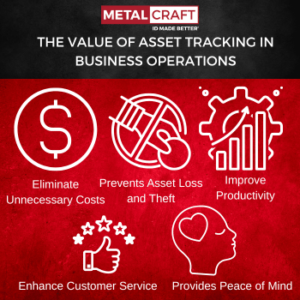
Asset tracking works hand in hand with asset management to provide real-time visibility and operational control, making it a vital tool for businesses aiming to boost performance, cut costs, and gain better control over their resources. Below are the key benefits that demonstrate why asset tracking is a smart investment for any organization.
1. Eliminates Unnecessary Costs
One of the most immediate advantages of asset tracking is its ability to reduce administrative and operational expenses. Manual tracking methods are often riddled with errors, inefficiencies, and wasted time. By automating the process, companies can minimize the risk of asset loss, reduce the need for manual labor, and lower administrative costs. Additionally, access to real-time data makes it easier to schedule timely maintenance and avoid unnecessary purchases by understanding exactly what assets are available and when they may need replacement.
2. Prevents Asset Loss and Theft
In busy and fast-paced environments, assets are frequently moved, shared, or loaned between departments. Without a proper tracking system in place, important equipment can easily be lost, stolen, or forgotten. Asset tracking tags—such as barcodes or RFID labels—make it simple to monitor the movement of each item. This greatly reduces the likelihood of theft or misplacement, especially for high-value equipment, and helps eliminate the need for costly duplicate purchases.
3. Improves Efficiency, Accuracy, and Productivity
By offering instant access to asset data, tracking solutions streamline daily operations. Businesses can quickly identify the status, location, and usage of each asset, reducing delays and improving internal coordination. This leads to more effective planning, proactive maintenance, and better resource allocation—all of which contribute to a more productive and organized workplace.
4. Enhances Customer Service
When assets are easy to locate and properly maintained, employees can respond to customer needs more quickly and effectively. This leads to shorter wait times, fewer service disruptions, and a smoother overall experience for your clients. Better internal efficiency directly translates to improved customer satisfaction, stronger loyalty, and a more competitive edge in the marketplace.
5. Provides Peace of Mind
In today’s complex and fast-moving business environment, peace of mind is an often-overlooked yet invaluable benefit of asset tracking. Knowing that your equipment is secure, accounted for, and performing as expected allows you to focus on growing your business instead of constantly putting out fires. With accurate, up-to-date data at your fingertips, you can make more confident decisions, reduce stress, and create a more resilient and responsive operation.
How Asset Tracking Supports Strategic Goals
While asset tracking is essential for streamlining day-to-day operations, it also plays a significant role in achieving broader business objectives. By capturing detailed data on asset usage, location, and condition, organizations can improve forecasting and planning, allowing them to anticipate future needs, avoid shortages, and make more informed decisions regarding capital investments or expansion. In the context of the supply chain, asset tracking enhances visibility and coordination, leading to better inventory control, reduced lead times, and increased responsiveness across departments and locations. Furthermore, access to real-time asset data supports improved resource allocation by helping businesses identify underutilized or underperforming equipment, ensuring that high-value assets are prioritized and used effectively to maximize return on investment.
Getting Started with Asset Tracking

Implementing an asset tracking system is more accessible than many businesses realize—especially with the right partner. Today’s solutions, including barcode labels, RFID tags, mobile scanners, and cloud-based software, can be tailored to match your specific operational needs. Metalcraft offers a wide range of durable, high-performance tags and labels designed to support your asset tracking goals across virtually any environment.
If you’re still questioning the value of asset tracking, Metalcraft makes it easy to quantify your potential return. Use the Asset Tracking ROI Calculator to discover how much time and money your organization could save by eliminating inefficiencies and gaining better control over assets.
Ultimately, investing in asset tracking and management goes far beyond simply monitoring equipment—it’s a strategic move that unlocks increased efficiency, reduced costs, and stronger service delivery. With accurate data and real-time visibility, your business is empowered to make smarter decisions, streamline workflows, and stay competitive in a rapidly evolving market.
To learn more about launching a successful asset tracking program, contact Metalcraft today at 800-437-5283 or [email protected].
About the Author: Marianne Alvarado

Mobile Phone: 641-529-9492
Office Phone: 641-423-9460
Email: [email protected]
Office: 3360 9th St. SW, Mason City, IA 50401