

The Power of the Asset Tag in Effective Tracking
Asset tags—and the practice of asset tagging—are among the most crucial yet often overlooked components of a successful asset tracking system. These tags are the literal key to unlocking vital information about the assets they track, enabling better visibility, control, and utilization. Below, we answer some of the most common questions we receive about the unsung hero of the asset tracking world.
What Is a Fixed Asset Tag?
A fixed asset tag is a durable label used to identify long-term, tangible business assets. These tags typically include a unique serial number, barcode, and/or RFID inlay. Fixed assets vary depending on the organization—for example, a hospital and a manufacturer may have very different asset profiles. However, IT assets such as laptops, monitors, and printers are common across most industries.
Industries That Benefit from Asset Tracking
In short—every industry. While the specific applications may vary, all sectors benefit from knowing where their equipment is, its value, and its maintenance or upgrade schedule. The key to success lies in committing to clean data, company-wide adoption, and ongoing updates. An effective tracking system maximizes asset usage, minimizes loss, and improves operational decision-making across industries including healthcare, education, logistics, and manufacturing.
Building a Strong Foundation for Long-Term Asset Tracking Success
Laying a solid foundation is essential for any asset tracking system to deliver long-term value. Skipping these initial steps can lead to inconsistencies, gaps in data, or even the need to redo the system entirely—costing valuable time and resources. A well-planned foundation ensures smooth implementation, scalability, and maximum return on investment. Here’s what to focus on:
1. Defining What Assets to Track
Before diving into tags and software, clearly define which assets are worth tracking. Not every item in your organization needs a tag. Focus on assets that are:
-
High in value (financial or operational)
-
Frequently moved or relocated
-
Prone to theft or loss
-
Subject to maintenance, warranties, or audits
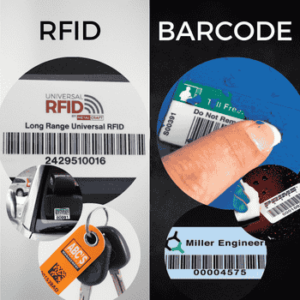
Think beyond just equipment—track tools, electronics, vehicles, IT infrastructure, and even furniture, depending on your goals. Defining asset categories upfront will inform the rest of your setup.
2. Selecting the Right Tag Type and Material
The success of your system hinges on choosing asset tags that match your environment and application. Consider:
-
Material durability: Will tags be exposed to heat, chemicals, abrasion, or outdoor elements?
-
Surface type: Do you need tags for curved, rough, or metallic surfaces?
-
Technology integration: Will you use barcodes, RFID, or a hybrid approach?
-
Adhesive strength: Do your tags need to be permanent, removable, or tamper-evident?
Choosing the right tag ensures longevity, readability, and compliance with your industry standards.
3. Establishing a Consistent Data Scheme
Your asset tag is just the tip of the iceberg—what’s behind it matters even more. Establish a clear, scalable data scheme from day one. This includes:
-
Serial number format: Use structured, unique identifiers that are easy to interpret and expand.
-
Asset naming conventions: Standardize naming to avoid duplicates or confusion.

-
Database integration: Ensure your tracking software can link tag data to rich asset records like purchase date, location, user, and maintenance schedule.
Clean, consistent data at the start reduces downstream errors and supports advanced analytics, reporting, and decision-making.
To streamline this process, we’ve created two essential resources:
-
Asset Tracking Checklist – A step-by-step guide to help you plan, organize, and implement your system with confidence.
-
Ultimate Guide to Asset Tracking – A comprehensive resource filled with expert insights, best practices, and real-world examples to ensure you get the most from your tracking solution.
Together, these tools walk you through the entire journey—from initial planning to long-term optimization—so your system is not just set up, but set up for success.
What Should Be Included on an Asset Tag?
Asset tags can be customized to suit your specific needs. While some businesses opt to include just a barcode and serial number, others add company names, logos, or branding for dual purposes—identification and promotion.
We recommend a “license plate” model: print a unique barcode or serial number on the tag, and link that number to comprehensive asset data in your database. This approach allows for smaller, more affordable tags and accommodates future upgrades to technologies like RFID by combining both a barcode and RFID inlay.
How Are Fixed Assets Marked?
Fixed assets can be marked in several ways, including:
-
Direct part marking
-
Embedding RFID tags
-
Applying printed labels or tags
Organizations may choose to print their tags on-site using thermal printers for on-demand flexibility or opt for professionally preprinted tags to ensure durability, material compatibility, and managed serial number tracking. Preprinting also reduces the burden of printer maintenance and staff training.
Why Do I Need Asset Tags?
Asset tags serve a variety of purposes and typically fall into five primary categories:
1. Physical Item/Equipment Tracking
Asset tags help organizations of all types manage tools, electronics, and other assets efficiently—improving inventory accuracy and scheduling service or replacement.
2. Theft and Loss Prevention
Clearly marked equipment is less likely to be stolen or misplaced. Custom tags with unique identifiers and tamper-evident materials help reduce loss across the board.
3. Item Reclamation
When tagged items go missing, they’re easier to identify and return—ideal for businesses that loan out equipment like rental services, event planners, or churches.
4. Reports and Records
A tagged inventory provides clear documentation for financial reporting, insurance claims, or securing loans. Specialized 2-part tags even allow one tag to be placed on equipment and the second on related records for easy reference.
5. Brand Awareness and Customer Service
For remote workers or field-based teams, tags distinguish company-owned assets from personal items. Adding your logo or contact details boosts visibility and customer trust.
Benefits of a Tracking System
A well-implemented asset tracking system is more than just a tool—it’s a strategic investment that brings measurable improvements across multiple areas of business operations. From streamlining workflows to enabling smarter decision-making, the right tracking solution transforms the way organizations manage their physical assets. Here’s how:
Reduced Costs
One of the most immediate and impactful benefits is cost reduction. By improving inventory visibility and eliminating asset loss, companies can:
-
Avoid unnecessary purchases or duplicate orders
-
Reduce equipment downtime due to misplaced items
-
Minimize shrinkage and theft
-
Lower labor costs by automating manual tracking tasks
Together, these savings can make a substantial difference to your bottom line, especially for organizations managing large volumes of equipment or inventory.
Increased Efficiency
Manual tracking methods are time-consuming and prone to errors. A modern tracking system automates many of these processes, allowing staff to:
-
Quickly check in and check out items
-
Conduct inventory audits in a fraction of the time
-
Streamline maintenance and service scheduling
-
Access real-time data with a few clicks
The result is faster workflows, less administrative burden, and more time spent on high-value tasks.
Improved Accuracy
Human error is inevitable in any manual system. Asset tracking systems that use barcodes, QR codes, or RFID technology significantly reduce errors by:
-
Automating data capture
-
Ensuring consistency in asset naming and identification
-
Validating entries in real-time through software integration
Improved accuracy ensures better inventory records, fewer discrepancies, and more confidence in reporting.
Greater Transparency
Knowing where your assets are, who is using them, and what condition they’re in is critical to operational oversight. A tracking system offers full visibility into:
-
Asset location and movement history
-
Ownership and usage logs
-
Maintenance records and lifecycle data
This level of transparency supports internal audits, regulatory compliance, and better resource allocation.
System Scalability
As your organization grows, so do your tracking needs. A scalable tracking system is designed to evolve with you by:
-
Supporting additional locations or departments
-
Integrating with other business systems (e.g., ERP, CMMS, or accounting software)
-
Accommodating new asset types or technologies, like RFID or GPS
Whether you’re managing a small toolroom or a global fleet of assets, a scalable system ensures your investment continues to deliver value as your business expands.
Advantages of an Automated Tracking System
While traditional asset tracking methods offer valuable improvements in organization and accountability, automated tracking systems take those benefits to a whole new level. By leveraging technologies such as barcodes, QR codes, and RFID, automation eliminates manual processes, increases reliability, and provides real-time insights that drive smarter decisions. Here’s how automation amplifies the advantages of a tracking system:
Increased Efficiency
Automated tracking significantly reduces the time and effort required to monitor assets, freeing up staff for more strategic tasks. Key efficiency gains include:
-
Faster check-in/check-out processes – With a quick scan, assets can be assigned or returned within seconds.
-
Accelerated inventory audits – What once took hours or days can now be completed in minutes.
-
Simplified maintenance tracking – Automatic alerts for service schedules eliminate the need for manual logs.
-
Instant access to data – Real-time information at your fingertips means no more time lost hunting for spreadsheets or records.
These efficiencies lead to smoother operations and quicker responses to asset-related needs.
Greater Accuracy
Manual entry is prone to human error—on average, there’s one mistake in every 300 characters typed. Automation virtually eliminates this risk through:
-
Barcode or RFID scanning – Instant data capture with high precision, avoiding typos or misreads.
-
Standardized inputs – Ensures asset IDs, serial numbers, and categories follow consistent formats.
-
Backend validation – Integrated systems catch duplicates and inconsistencies before they impact reporting.
Accurate data ensures better tracking, improves audit outcomes, and fosters trust in your asset database.
Enhanced Productivity
When employees spend less time on data entry and error correction, they can focus on value-added work. Automation empowers teams to:
-
Make faster, more informed decisions – With real-time data on asset status, availability, and location, managers can respond quickly to shifting needs.
-
Optimize resource allocation – Identify underutilized assets and reassign them where needed.
-
Improve planning and forecasting – Use historical usage patterns to guide purchasing, scheduling, and budgeting.
Increased productivity leads to improved service delivery, better operational control, and a competitive edge in your industry.
Need Help Getting Started?
If you’d like to learn more about asset tracking or speak with one of our ID Experts, we’re here to help. Contact us at 800-437-5283 or [email protected].
About the Author: Marianne Alvarado

Mobile Phone: 641-529-9492
Office Phone: 641-423-9460
Email: [email protected]
Office: 3360 9th St. SW, Mason City, IA 50401